
Books on Healing Theory
14 books available
Books on Healing Theory
Deep dives into therapeutic frameworks, psychological theories, and evidence-based healing approaches.
Intimacy and Desire
Schnarch presents differentiation, the capacity to hold onto oneself while staying close to others, as the foundation of emotional maturity. Although framed around couples, the book describes a way of living that underpins healing in every relationship, including the one a person has with themselves.
Link blocked? Copy it and paste in a new browser tab.
Rational Emotive Behavior Therapy: A Therapist's Guide
Ellis and MacLaren explain how irrational beliefs, rather than events themselves, generate emotional distress. The book lays out how to identify those beliefs, dispute them, and replace them with more flexible ones, making it a clear guide to how belief change drives healing.
Link blocked? Copy it and paste in a new browser tab.
A Therapist's Guide to EMDR
Parnell explains the principles behind EMDR, including bilateral stimulation and resource development, and how they help the mind reprocess distressing memories. The book offers a practical starting point for understanding how these principles can support self-guided healing.
Link blocked? Copy it and paste in a new browser tab.
Internal Family Systems Therapy
Schwartz and Sweezy describe the mind as a system of distinct parts, some protective and some carrying old pain, all held by a calm core Self. The model is approachable and offers a direct way to understand and resolve inner conflict.
Link blocked? Copy it and paste in a new browser tab.
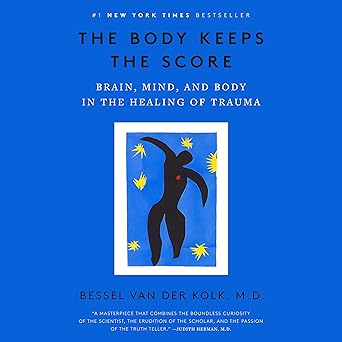
The Body Keeps the Score
Van der Kolk examines how trauma is stored in the body and nervous system, not only in memory. Drawing on decades of research, he surveys approaches that help restore a sense of safety and connection, making this one of the most influential books on trauma.
Link blocked? Copy it and paste in a new browser tab.
Mental and Emotional Release
James and Thorp present a structured method for releasing stored negative emotions and limiting decisions by revisiting their origins. The process is simple to follow and focuses on clearing the root of emotional patterns rather than managing their symptoms.
Link blocked? Copy it and paste in a new browser tab.
The Marriage Clinic
Gottman, among the most extensively published researchers on couples, translates decades of observational research into specific steps for repairing conflict and rebuilding friendship in a relationship.
Link blocked? Copy it and paste in a new browser tab.
The Seven Principles for Making Marriage Work
Gottman and Silver distill decades of research into seven practical principles for building a lasting partnership, from knowing a partner's inner world and nurturing fondness to managing conflict without contempt.
Link blocked? Copy it and paste in a new browser tab.
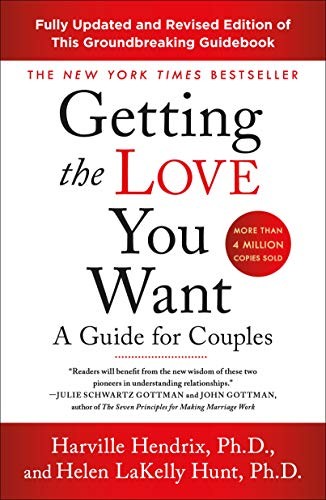
Getting the Love You Want
Hendrix and Hunt present Imago Relationship Theory, which holds that people are drawn to partners who mirror the unresolved wounds of childhood. The book shows how conflict can become a path to healing those wounds, using structured dialogue to replace blame with understanding and connection.
Link blocked? Copy it and paste in a new browser tab.
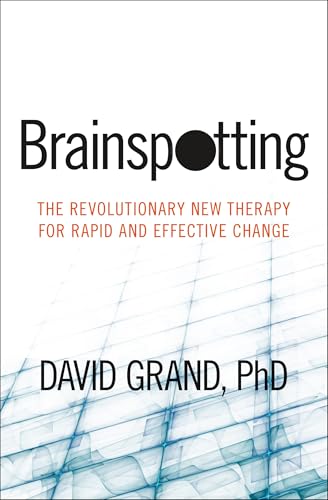
Brainspotting
Grand introduces Brainspotting, an approach built on the observation that where a person looks affects how they feel. Fixed eye positions are used to locate and process trauma held deep in the brain and body, offering a focused route to releasing emotional pain that talking alone often cannot reach.
Link blocked? Copy it and paste in a new browser tab.
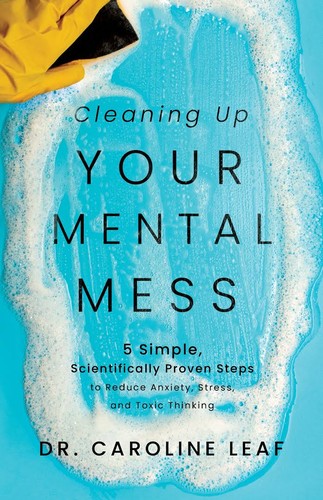
Cleaning Up Your Mental Mess
Leaf, a cognitive neuroscientist, outlines a five-step method for managing anxiety, stress and toxic thinking. Drawing on research into neuroplasticity, the book explains how thoughts physically shape the brain and how deliberate, repeated practice can rewire unhealthy mental patterns.
Link blocked? Copy it and paste in a new browser tab.
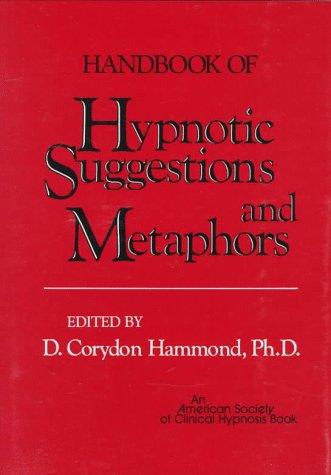
Handbook of Hypnotic Suggestions and Metaphors
This reference collects hundreds of hypnotic suggestions and metaphors contributed by experienced clinicians, organized by concern, from anxiety and pain to self-esteem and habit change. It demonstrates how carefully chosen language and imagery can speak to the subconscious mind and support lasting change.
Link blocked? Copy it and paste in a new browser tab.
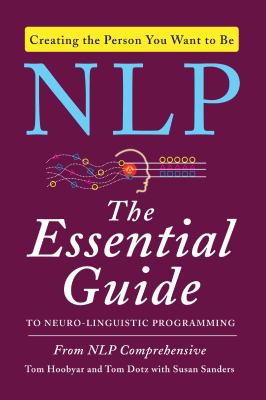
NLP: The Essential Guide to Neuro-Linguistic Programming
Hoobyar, Dotz and Sanders present the core principles of Neuro-Linguistic Programming, which examines how language, perception and internal representation shape behavior. The book explains how changing the way experiences are framed and recalled can shift emotional responses and limiting patterns.
Link blocked? Copy it and paste in a new browser tab.
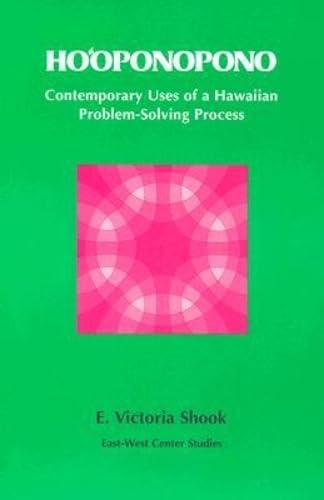
Ho’oponopono: Contemporary Uses of a Hawaiian Problem-Solving Process
Shook examines ho’oponopono, the traditional Hawaiian process of setting relationships right through discussion, confession, forgiveness, and release. The book explains its structure and how it has been adapted for contemporary family and community healing.
Link blocked? Copy it and paste in a new browser tab.