
Paradigm Shifting Books
24 books available
Paradigm Shifting Books
Books that overturn established assumptions about reality, consciousness, and human potential.
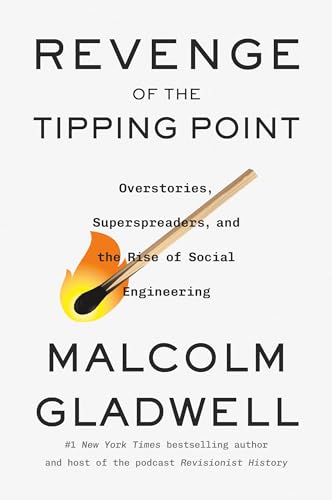
Revenge of the Tipping Point: Overstories, Superspreaders, and the Rise of Social Engineering
Gladwell revisits his earlier work on social epidemics, examining how overstories, superspreaders, and social engineering drive large-scale change. He explores the darker ways tipping points can be deliberately shaped.
Link blocked? Copy it and paste in a new browser tab.
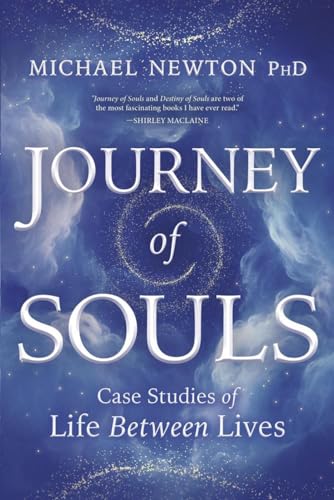
Journey of Souls
Newton presents case studies from hypnotic regression sessions in which subjects describe experiences of a life between lives. The book offers an exploratory account of what these reports suggest about the soul, purpose, and continuity of consciousness.
Link blocked? Copy it and paste in a new browser tab.
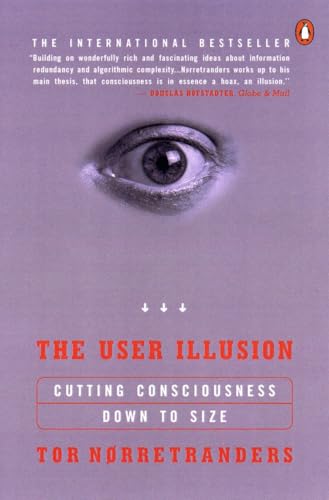
The User Illusion
Norretranders argues that conscious awareness processes only a tiny fraction of the information the mind takes in. Drawing on information theory and neuroscience, he suggests that the conscious self is a simplified interface over a far larger unconscious process.
Link blocked? Copy it and paste in a new browser tab.
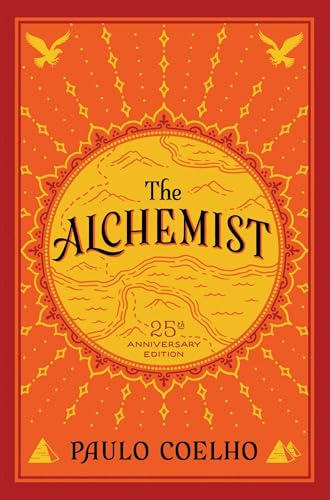
The Alchemist
Coelho tells the story of a shepherd boy who follows a recurring dream in search of treasure. The fable explores the idea that pursuing one's personal calling aligns a person with the deeper workings of the world.
Link blocked? Copy it and paste in a new browser tab.
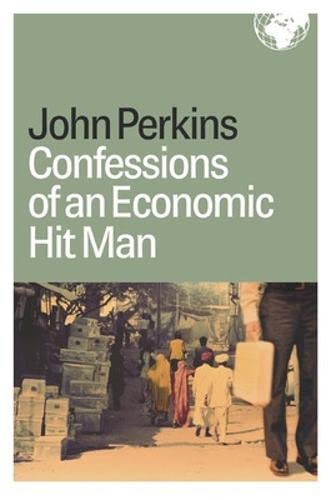
Confessions of an Economic Hit Man
Perkins recounts his work persuading developing nations to accept large loans that bound them to foreign interests. The memoir offers a critical view of how economic power can be used to shape global politics.
Link blocked? Copy it and paste in a new browser tab.
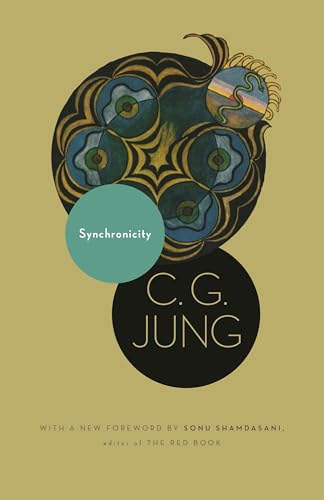
Synchronicity
Jung describes synchronicity as the meaningful coincidence of inner and outer events that are not connected by cause and effect. The work explores how such coincidences challenge conventional ideas of causality and point to a deeper order linking psyche and matter.
Link blocked? Copy it and paste in a new browser tab.
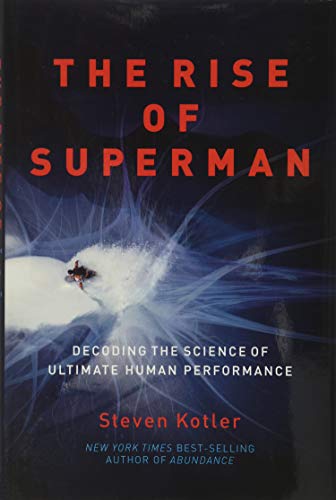
The Rise of Superman
Kotler examines flow, the state of optimal consciousness in which performance peaks, through the lens of action and adventure athletes. Drawing on neuroscience, he explains what triggers flow and how it can be cultivated in everyday life.
Link blocked? Copy it and paste in a new browser tab.

Conversations with God
Walsch presents a dialogue with God that reframes the divine as a source of unconditional love rather than judgment. The book invites readers to reconsider their beliefs about God, purpose, and what unconditional love looks like in practice.
Link blocked? Copy it and paste in a new browser tab.
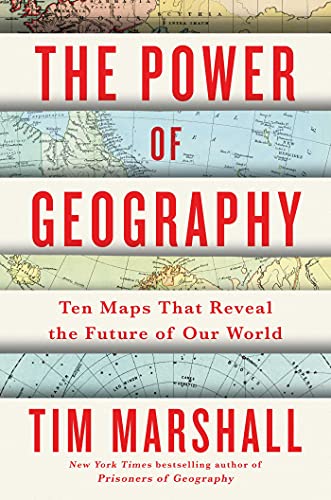
The Power of Geography
Marshall uses ten maps to show how geography constrains and shapes the choices of nations, from resources and borders to climate and space. The book explains how physical landscape continues to influence the future of world events.
Link blocked? Copy it and paste in a new browser tab.
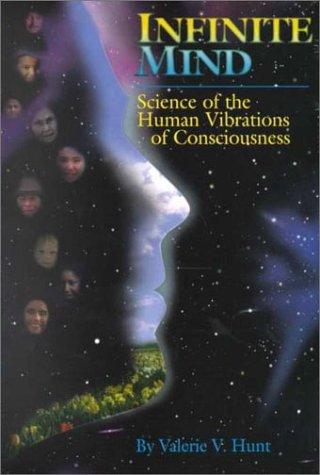
Infinite Mind
Hunt, a physiologist, presents her research into the human bioenergy field and its relationship to consciousness, emotion, and health. The book proposes that the mind extends beyond the brain as a field of vibrational information.
Link blocked? Copy it and paste in a new browser tab.
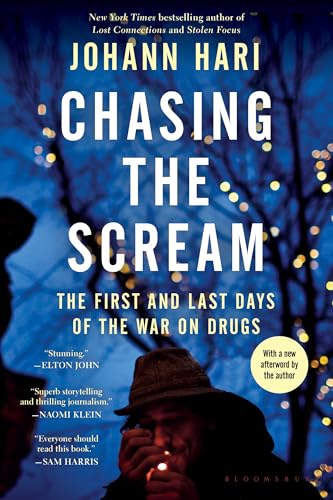
Chasing the Scream: The First and Last Days of the War on Drugs
Hari investigates the history and consequences of the war on drugs, drawing on interviews across the world. He argues that addiction is driven far more by isolation and pain than by chemical hooks, and that connection is its most powerful remedy.
Link blocked? Copy it and paste in a new browser tab.
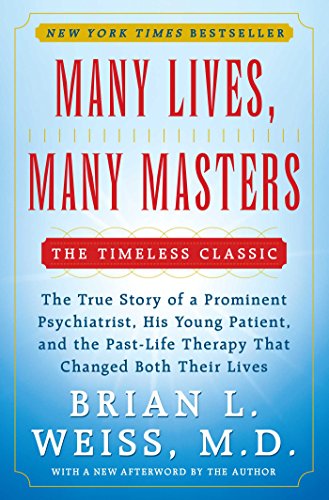
Many Lives, Many Masters
Weiss, a psychiatrist, recounts how a patient under hypnosis began recalling apparent past lives, and how the experience transformed his own views on consciousness and healing. The book is presented as an account of an exploratory therapeutic journey.
Link blocked? Copy it and paste in a new browser tab.
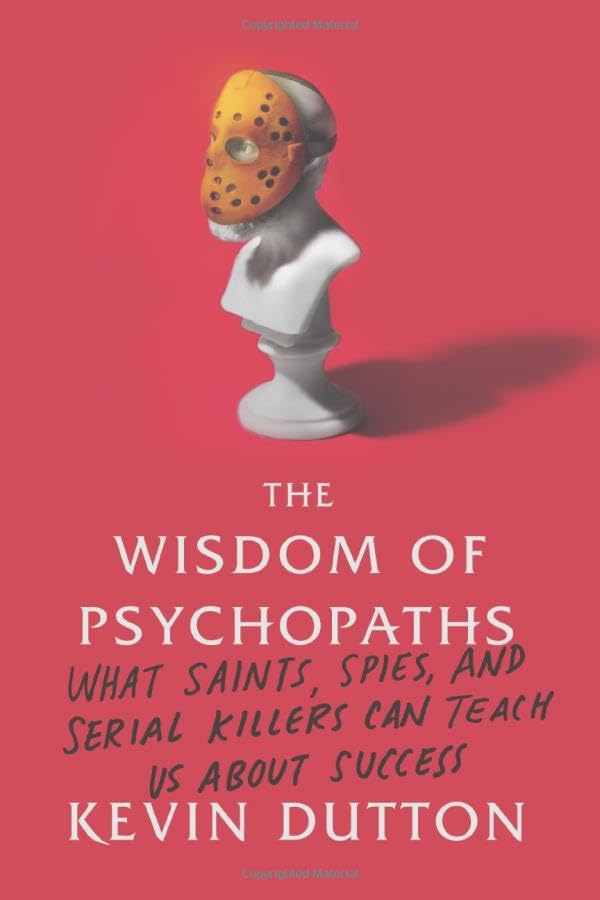
The Wisdom of Psychopaths
Dutton, a psychologist, examines psychopathic traits such as fearlessness, focus, and emotional detachment as a spectrum present in everyone. He explores how these traits, in measured doses, can support decisive action and resilience, while recognizing their capacity for harm.
Link blocked? Copy it and paste in a new browser tab.
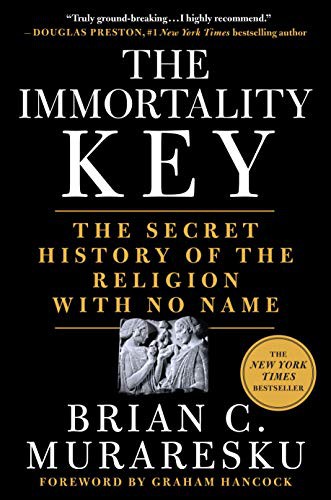
The Immortality Key
Muraresku explores evidence that psychedelic sacraments may have played a role in ancient Greek mystery rites and early Christianity. The book reconsiders the origins of Western religion through archaeology, chemistry, and classical texts.
Link blocked? Copy it and paste in a new browser tab.
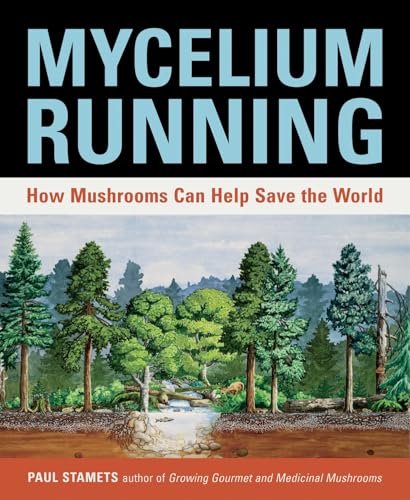
Mycelium Running: How Mushrooms Can Help Save the World
Stamets describes mycelium, the underground network of fungi, as a vast living system that sustains ecosystems. He explores practical uses of mushrooms for restoring soil, filtering water, and healing damaged environments.
Link blocked? Copy it and paste in a new browser tab.
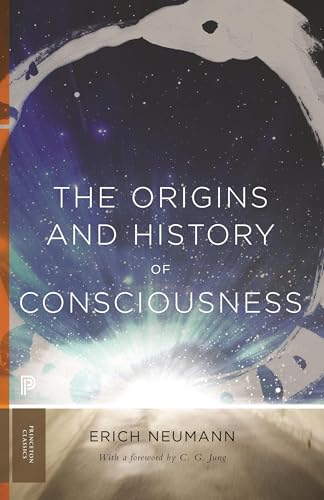
The Origins and History of Consciousness
Neumann traces the development of human consciousness through the archetypal stages expressed in world mythology, from undifferentiated unity to the emergence of the individual ego. He shows how the same stages recur in each person's psychological growth.
Link blocked? Copy it and paste in a new browser tab.
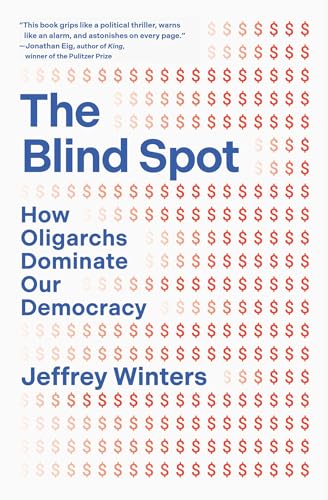
The Blind Spot: How Oligarchs Dominate Our Democracy
Winters, a political scientist, traces how concentrated wealth has shaped modern democracy, allowing the ultra-rich to limit the political agenda and influence law in their favor. He describes a state of participatory inequality and explores ideas for shifting the balance of power.
Link blocked? Copy it and paste in a new browser tab.

Between Death and Life
Cannon draws on hypnotic regression sessions to describe what subjects reported about death, the spirit realm, and preparation for rebirth. The book frames these accounts as an exploratory view of the soul's journey between lifetimes.
Link blocked? Copy it and paste in a new browser tab.
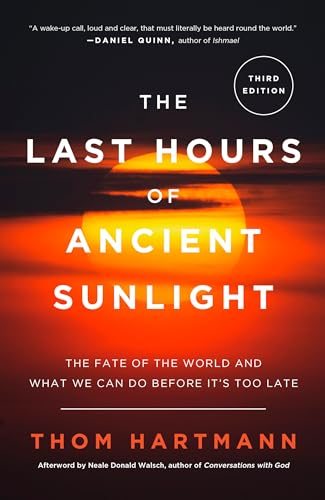
The Last Hours of Ancient Sunlight
Hartmann traces how modern civilization depends on ancient stored sunlight in the form of fossil fuels, and how that dependence shapes culture, consumption, and the environment. He argues that lasting change begins with a shift in how people perceive their relationship to the earth and each other.
Link blocked? Copy it and paste in a new browser tab.
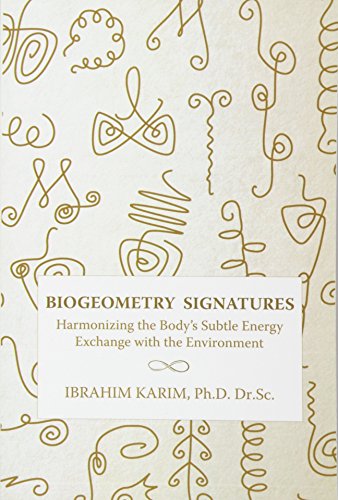
BioGeometry Signatures
Karim introduces BioGeometry, a system that uses shape, proportion, and design to influence subtle energy exchange between the body and its environment. The book presents his signature diagrams as tools for harmonizing energetic balance.
Link blocked? Copy it and paste in a new browser tab.
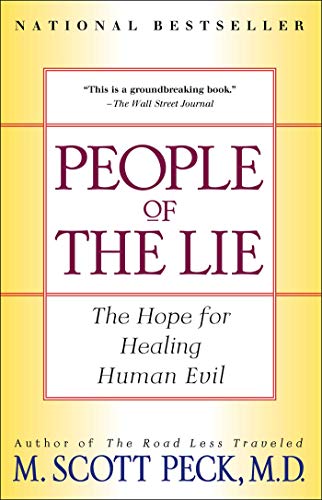
People of the Lie
Peck, a psychiatrist, examines human evil as a psychological phenomenon rooted in chronic self-deception and the refusal to face one's own shortcomings. Through case studies, he explores how such patterns harm others and what healing may require.
Link blocked? Copy it and paste in a new browser tab.
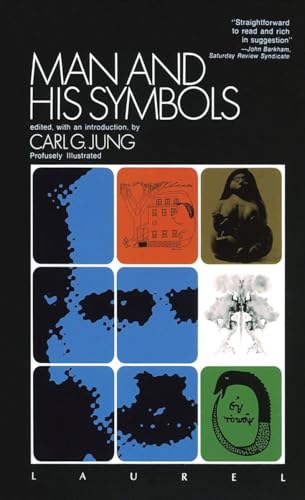
Man and His Symbols
Jung and his collaborators present an accessible introduction to the unconscious and the symbols through which it communicates in dreams, myths, and art. The book explains how understanding these symbols supports psychological wholeness.
Link blocked? Copy it and paste in a new browser tab.
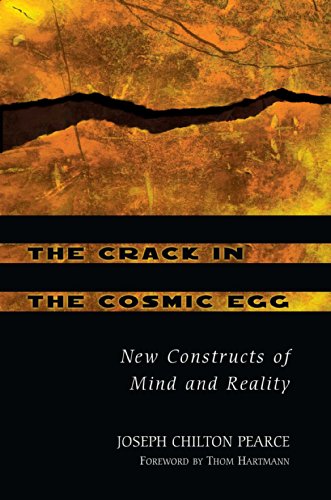
The Crack in the Cosmic Egg
Pearce argues that reality is shaped by the shared constructs of mind and culture, and that these constructs can be loosened to reveal greater possibilities. He explores how belief and perception set the boundaries of what people experience as possible.
Link blocked? Copy it and paste in a new browser tab.
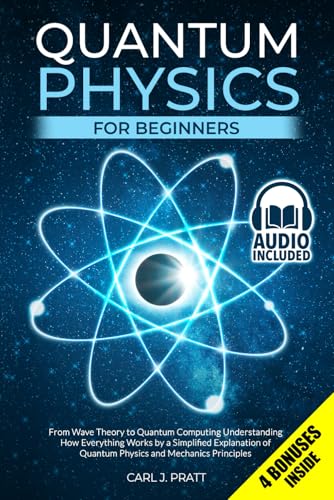
Quantum Physics for Beginners
Pratt introduces the core ideas of quantum physics without complex mathematics, from wave-particle duality and the uncertainty principle to entanglement and the many-worlds interpretation. The book shows how these discoveries overturned classical physics and power modern technologies such as quantum computing.
Link blocked? Copy it and paste in a new browser tab.