
Radical Social Work
In-Depth Explanation
In-Depth Explanation
Radical Social Work
Radical Social Work takes Systems Theory into account and states that poverty and inequality are not accidental, but are products of the system. In the U.S., the government's capitalist emphasis allows for the mass accumulation of wealth by the few at the cost of the masses. The core philosophy is this: true change means reshaping political and economic systems to serve people's needs—not forcing people to adapt to systems that weren't designed for them.
Core Principles
Radical Social Work operates from several key assumptions:
Systemic Inequality: Poverty and inequality are features, not bugs, of the capitalist system. They result from deliberate policy choices that benefit those with wealth and power.
Historical Roots: Developed from religious movements that recognized social systems didn't benefit average members of society and called for structural change.
Macro-Level Analysis: While it can be applied individually, Radical Social Work primarily focuses on large-scale societal change and reform.
"The Rich Get Richer": This phrase isn't just a saying—it's a documented economic reality that Radical Social Work seeks to understand and challenge.
Awareness and Action: The first step is becoming informed about social injustices; the next is working to change them.
Wealth Distribution in America
A study by St. Louis' Institute for Economic Equality reveals stark realities:
• The wealthiest 10% of Americans hold 67% of available household wealth
• 90% of Americans share only 33% of the economic pie
• The bottom 50% (approximately 173 million people) share only 2.5% of total wealth
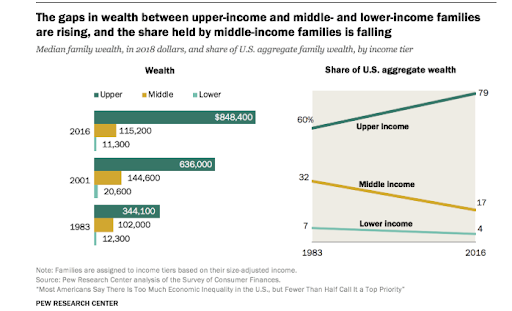
The Gap Is Widening
A Pew Research Center study shows trends in wealth accumulation by income bracket. The rich are getting richer while the poor get poorer—quite literally.
(click to enlarge)
How the Wealthy Avoid Taxes
A White House report examined the average tax rate of the wealthiest 400 families (wealth ranging from $2.1 billion to $160 billion):
• Average effective tax rate: 8.2% (2010-2018)
• Official tax bracket for highest earners: 37%
• Capital gains tax cap: 15% (sometimes 0% per the IRS)
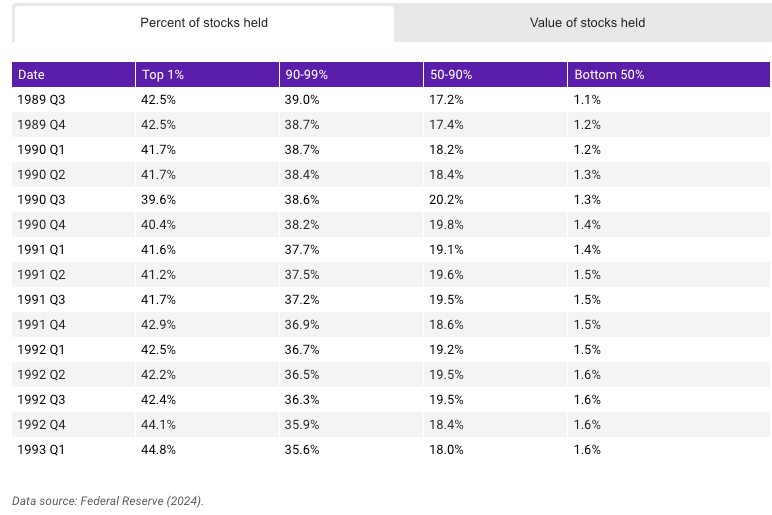
"Stepped-Up Basis": This provision allows wealth accumulated in stocks over a lifetime to pass to heirs without any taxation when the owner dies. According to the Federal Reserve, the wealthiest 10% control 80% of stocks—making this a strategy available primarily to the wealthy.
(click to enlarge)
Declining Purchasing Power
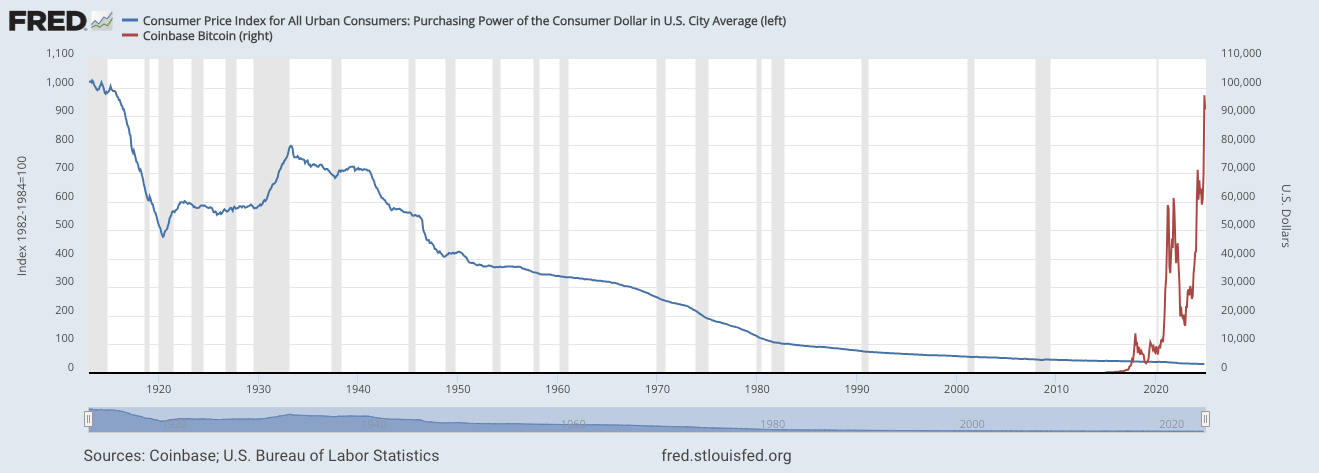
A study from St. Louis Institute for Economic Equality shows how purchasing power has changed over time.
What is purchasing power? It's how much you can buy with a dollar in any given year—similar to exchange rates, but comparing the dollar to itself over time.
The reality: Most Americans are making more (mostly due to inflation), but are able to do less with it than was possible historically.
(click to enlarge)
The Housing Crisis
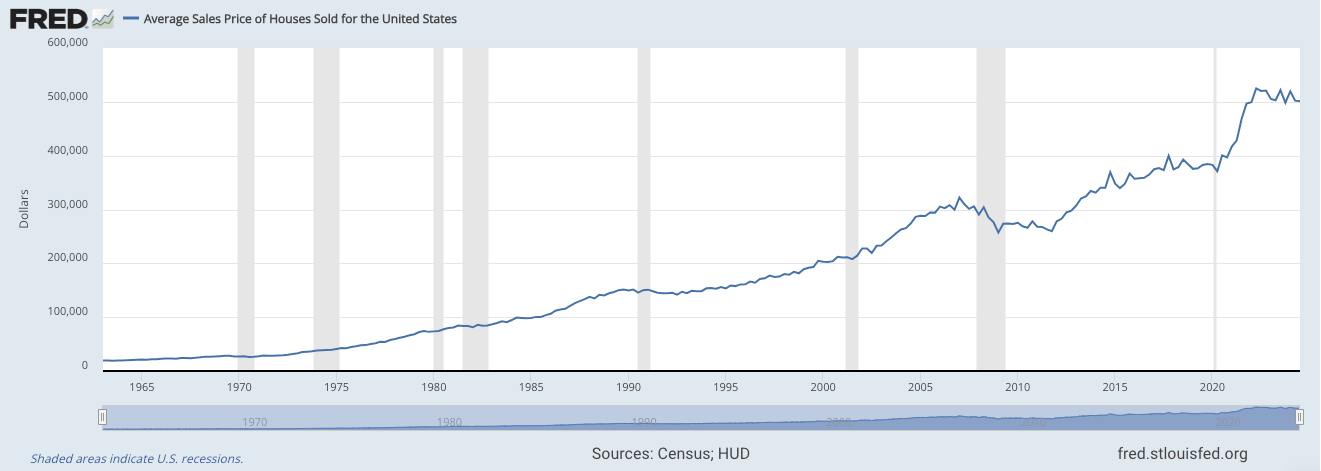
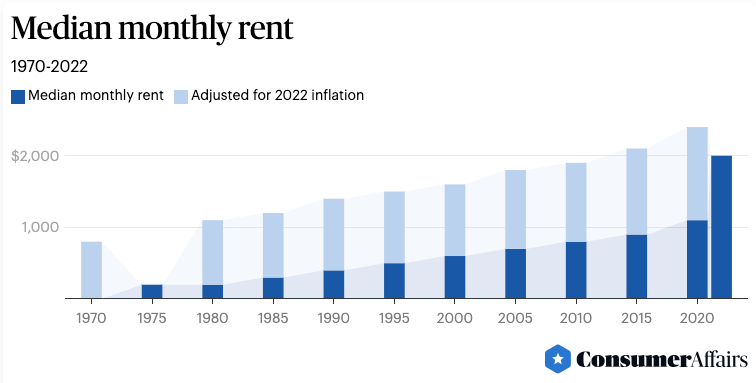
The cost of homes demonstrates the tangible result of declining purchasing power:
• Average home in 1960: $30,000 (equivalent to $320,000 adjusted for inflation)
• Average home today: approximately $500,000
• Real increase: $180,000+ beyond inflation
(click to enlarge)
Wages vs. Reality
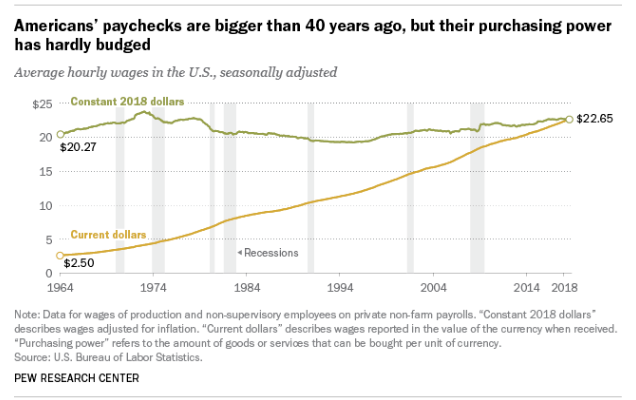
Wages have increased, but purchasing power hasn't kept pace:
• A $2.38/hour wage increase = roughly $12,353/year for a 40-hour work week
• Meanwhile, homes cost $180,000+ more than in 1960
The math simply doesn't work for average Americans.
(click to enlarge)
The Generational Impact
A study on Gen Z's buying power compared to previous generations:
Key Finding: Gen Z has 86% less buying power than the baby boomer generation after factoring in higher costs of living.
This essentially means Gen Z is trying to live off of half as much as previous generations, despite having higher average salaries.
(click to enlarge)
Putting It All Together
The evidence shows clear trends:
• Cost of living is increasing faster than wages
• Buying power is declining for most Americans
• Wealth inequality is growing, not shrinking
• These are systemic problems, not individual failures
The Radical Social Work Perspective: This is only one of many topics that Radical Social Work would consider as a problem of the system, not the individual. The goal is to become aware of these social inequities and work toward large-scale social reform.
What You Can Do: Start by being informed. Share this information. Support policies that address wealth inequality. Remember: awareness is the first step toward change.
Rate This Theory
All ratings are anonymous
Help others by sharing