
Religious Scripture and Texts
18 books available
Religious Scripture and Texts
Sacred scriptures and foundational religious texts that have shaped spiritual understanding across traditions. Each work and edition in this collection was chosen for its clarity and ease of understanding, with accessible translations and introductions, so that anyone can benefit from reading them, regardless of faith or prior background.
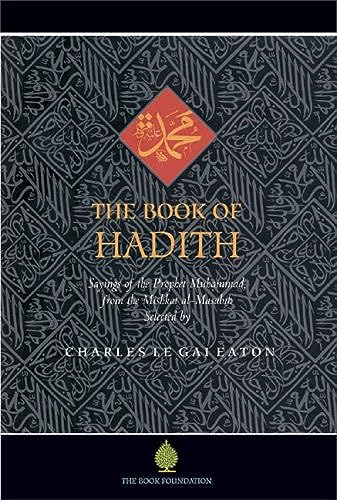
The Book of Hadith
This collection presents sayings of the Prophet Muhammad drawn from the Mishkat al-Masabih, arranged by theme. It offers direct insight into the ethical, devotional, and practical teachings that shape Islamic life alongside the Quran.
Link blocked? Copy it and paste in a new browser tab.
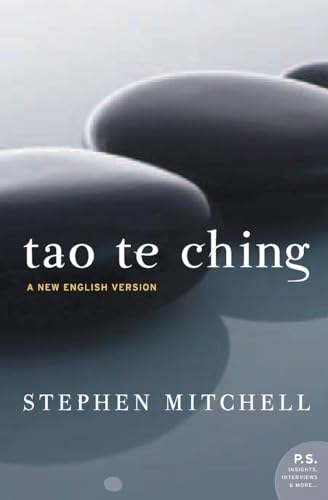
Tao Te Ching
The foundational text of Taoism, the Tao Te Ching describes the Tao as the nameless source of all things. Its brief verses teach humility, simplicity, and effortless action in harmony with the natural order.
Link blocked? Copy it and paste in a new browser tab.

Zhuangzi: Basic Writings
Through parables, humor, and paradox, Zhuangzi challenges fixed categories of right and wrong, life and death. The text invites readers to release rigid thinking and move freely with the transformations of the Tao.
Link blocked? Copy it and paste in a new browser tab.

Lieh-tzu: A Taoist Guide to Practical Living
The Lieh-tzu, one of the three classic Taoist texts, uses stories and dialogues to teach acceptance of fate, freedom from desire, and living in accord with nature. Wong's translation emphasizes its practical guidance for daily life.
Link blocked? Copy it and paste in a new browser tab.

Wen-tzu: Understanding the Mysteries
Presented as further teachings of Lao-tzu, the Wen-tzu expands on the Tao Te Ching with guidance on personal cultivation, leadership, and social harmony. It applies Taoist principles to both inner life and the conduct of society.
Link blocked? Copy it and paste in a new browser tab.

The End of Faith
Harris critiques religious faith as belief held without evidence and examines its consequences in a world of modern conflict. He argues for grounding ethics and spirituality in reason, while exploring contemplative practice outside religious dogma.
Link blocked? Copy it and paste in a new browser tab.
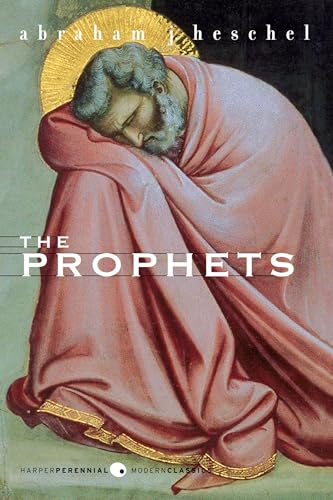
The Prophets
Heschel examines the Hebrew prophets as individuals who felt the divine concern for justice and suffering. He presents prophecy as an encounter with a God moved by human conduct, calling people to moral responsibility.
Link blocked? Copy it and paste in a new browser tab.
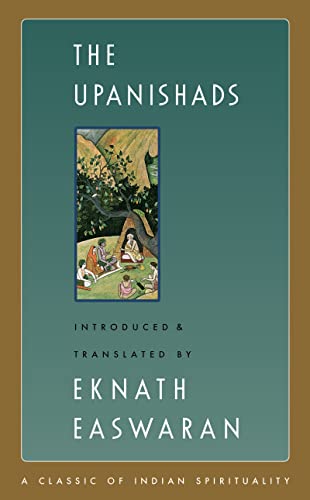
The Upanishads
The Upanishads are the philosophical core of the Vedas, exploring the nature of the self and ultimate reality. They teach that Atman, the inner self, is one with Brahman, the ground of all existence.
Link blocked? Copy it and paste in a new browser tab.
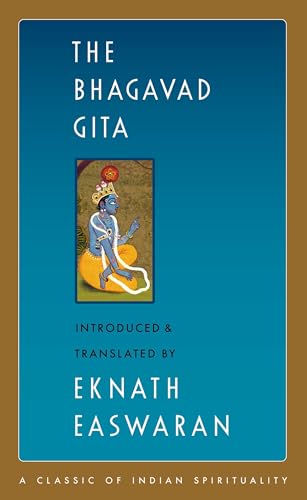
The Bhagavad Gita
Set on a battlefield, the Bhagavad Gita presents a dialogue between the warrior Arjuna and Krishna on duty, action, and devotion. It teaches selfless action, detachment from results, and the paths of knowledge, work, and love.
Link blocked? Copy it and paste in a new browser tab.
Native Religions and Cultures of Central and South America
Sullivan brings together scholarly studies of the religious life of indigenous peoples across Central and South America. The collection examines cosmology, ritual, shamanism, and sacred symbolism as expressions of each culture's understanding of the sacred.
Link blocked? Copy it and paste in a new browser tab.
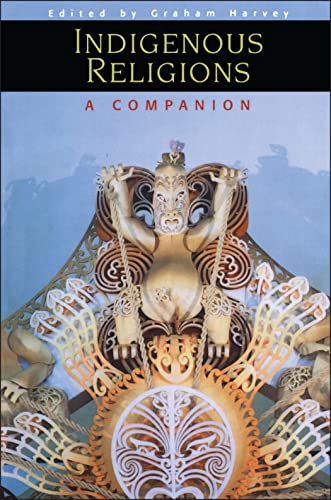
Indigenous Religions
Harvey gathers leading scholars to introduce indigenous religious traditions from around the world. The book explores themes such as relationship with land, ancestors, ceremony, and the living world as central to indigenous spirituality.
Link blocked? Copy it and paste in a new browser tab.
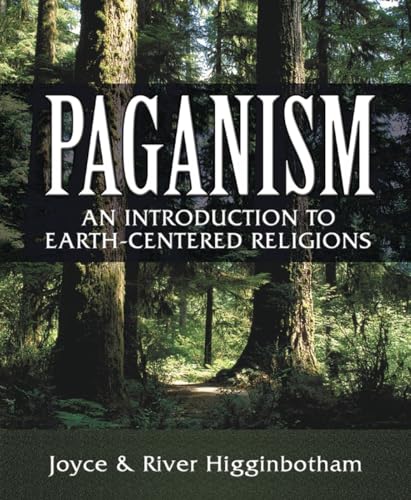
Paganism: An Introduction to Earth-Centered Religions
The Higginbothams introduce the beliefs and practices of modern Paganism, from its view of the divine to its reverence for nature. The book explains core concepts and ritual while inviting readers to examine their own spiritual worldview.
Link blocked? Copy it and paste in a new browser tab.

African Traditional Religions and Spirituality
Aesden surveys the spiritual traditions of Africa, including Yoruba, Zulu, and Vodun beliefs. The book explores ancestor veneration, divination, sacred sites, and the concept of a supreme creator, highlighting the common threads across African religious life.
Link blocked? Copy it and paste in a new browser tab.
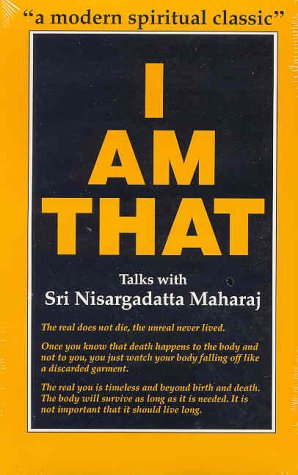
I Am That
This collection of dialogues records Nisargadatta Maharaj's teachings on the nature of the self. He points beyond identification with body and mind to the pure awareness that underlies all experience, a central expression of Advaita Vedanta.
Link blocked? Copy it and paste in a new browser tab.
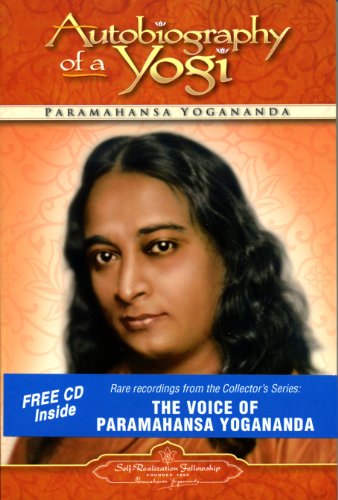
Autobiography of a Yogi
Yogananda recounts his spiritual search in India, his meetings with saints and teachers, and his mission to bring yoga and meditation to the West. The book introduces Kriya Yoga and the unity of the world's spiritual traditions.
Link blocked? Copy it and paste in a new browser tab.
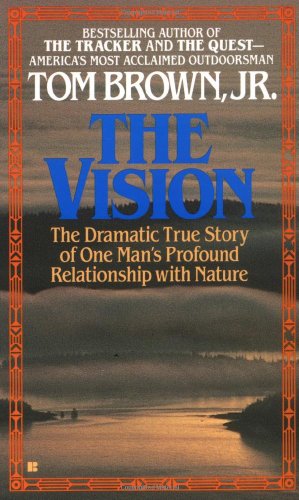
The Vision
Brown recounts the spiritual teachings he received from Stalking Wolf, an Apache elder, including his own vision quest and prophetic visions of humanity's future. The book explores a nature-centered spirituality grounded in reverence for the earth and the unseen world.
Link blocked? Copy it and paste in a new browser tab.
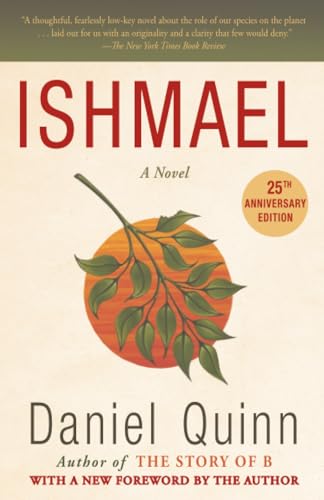
Ishmael
Through a dialogue between a man and a telepathic gorilla, Quinn examines the cultural stories that shape how humanity sees its place in the world. The novel questions the belief that humans stand apart from nature and invites a more humble, interconnected way of living.
Link blocked? Copy it and paste in a new browser tab.
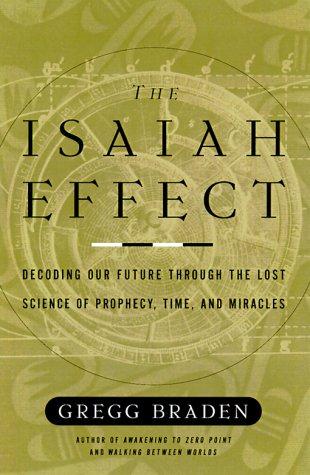
The Isaiah Effect
Drawing on the Dead Sea Scrolls and the Great Isaiah Scroll, Braden explores ancient teachings on prayer, prophecy, and the role of collective feeling in shaping future outcomes. The book frames these texts as a lost science of prayer that links inner states to the world around us.
Link blocked? Copy it and paste in a new browser tab.