Spiritual Theory
An exploration of possible spiritual reality
Spiritual Theory
The theories gathered here explore the connection between science and spirituality — examining how physical findings and spiritual experience may point toward the same underlying reality. Each theory builds on the concepts of those before it, so they are intended to be read in order.
Theories
The Cosmic Game Theory of Consciousness
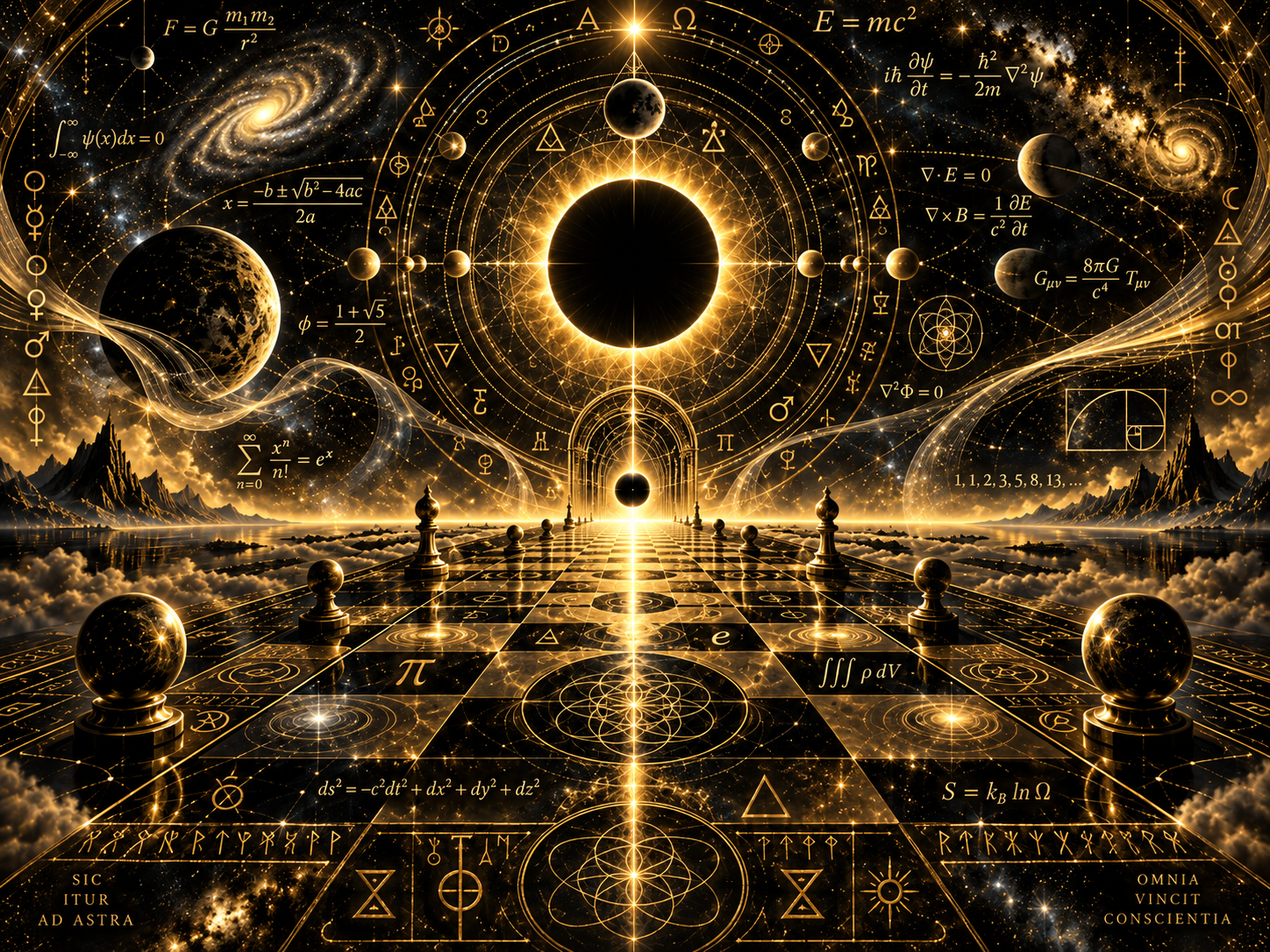
Explores the science behind the concept of enlightenment, drawing on consciousness studies and philosophy of mind; neuroscience; psychology; parapsychology and anomalous cognition research; physics; cosmology and astrophysics; biophysics; acoustics and vibration science; physiology; endocrinology; immunology; sensory biology; genetics, epigenetics, molecular and cell biology; developmental and evolutionary biology; complex-systems and dynamical-systems science; ecology; artificial intelligence and machine learning; psychopharmacology and psychedelic science; contemplative science; philosophy; comparative religion, mysticism, and esoteric traditions; comparative mythology; anthropology; and the history of ideas — showing how science actually paints a strong picture of how enlightenment is possible, and how the evidence points to consciousness as the foundation of reality.
The Mystery of the Sphinx: Ancient Egypt’s Hidden Path to Enlightenment

What if the Sphinx represents more than royal power? Beginning with the spiritual lessons of cats, this theory traces a path through self-love, sovereignty, Egyptian kingship, sacred geometry, and the pyramids to explore whether Ancient Egypt encoded a path toward enlightenment.
Biological Awakening Theory
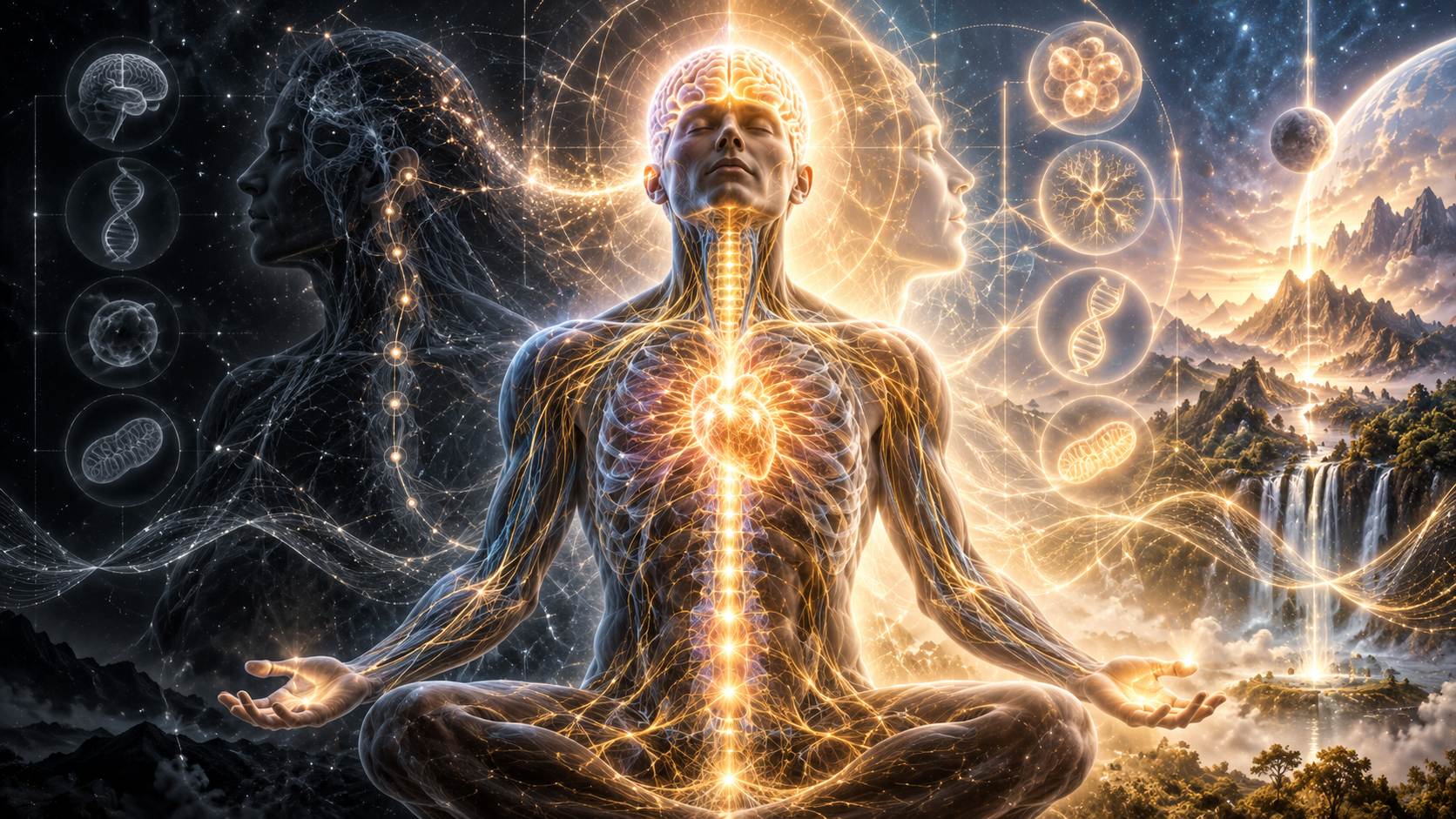
What if enlightenment is not about developing new abilities, but unlocking biological capacities we already possess? From enhanced creativity and sensory perception to dormant neural pathways and unconscious bodily processes, Biological Awakening Theory explores how gaining access to the body’s existing hardware could transform human consciousness.
Energetic Needs Theory
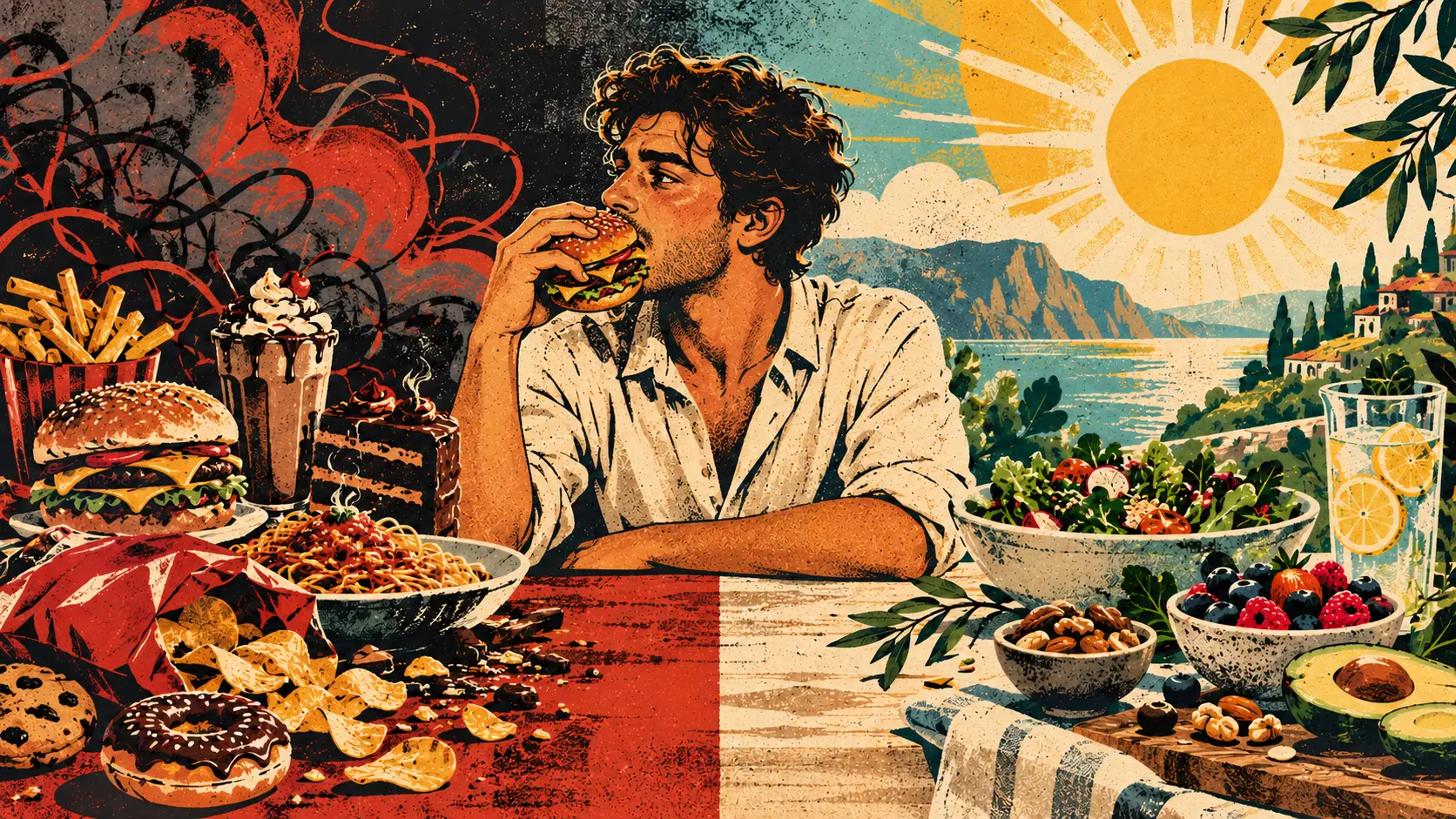
What if healing changes how much food and sleep the body actually needs? Energetic Needs Theory explores how reducing internal conflict and unnecessary energy expenditure may naturally change our physical requirements, revealing a biological connection between healing, energetic efficiency, and enlightenment.
Healing Substances Theory

What if the desire for a substance is really the desire for a state of being? Healing Substance Theory explores how substances can temporarily bridge the gap between survival-driven functioning and our capacity for love, connection, emotional expression, and authenticity—and how healing can eliminate the need for that bridge.
The Purpose of Creation
What if purpose is not simply something to find, but something that becomes visible through healing and develops through creation? The Purpose of Creation explores how self-healing reveals hidden patterns, frees consciousness to follow its deeper interests, and transforms life experience into new understanding and creative expression. As purpose guides creation and creation develops consciousness, the process leads toward enlightenment.
Biological Ascension Theory
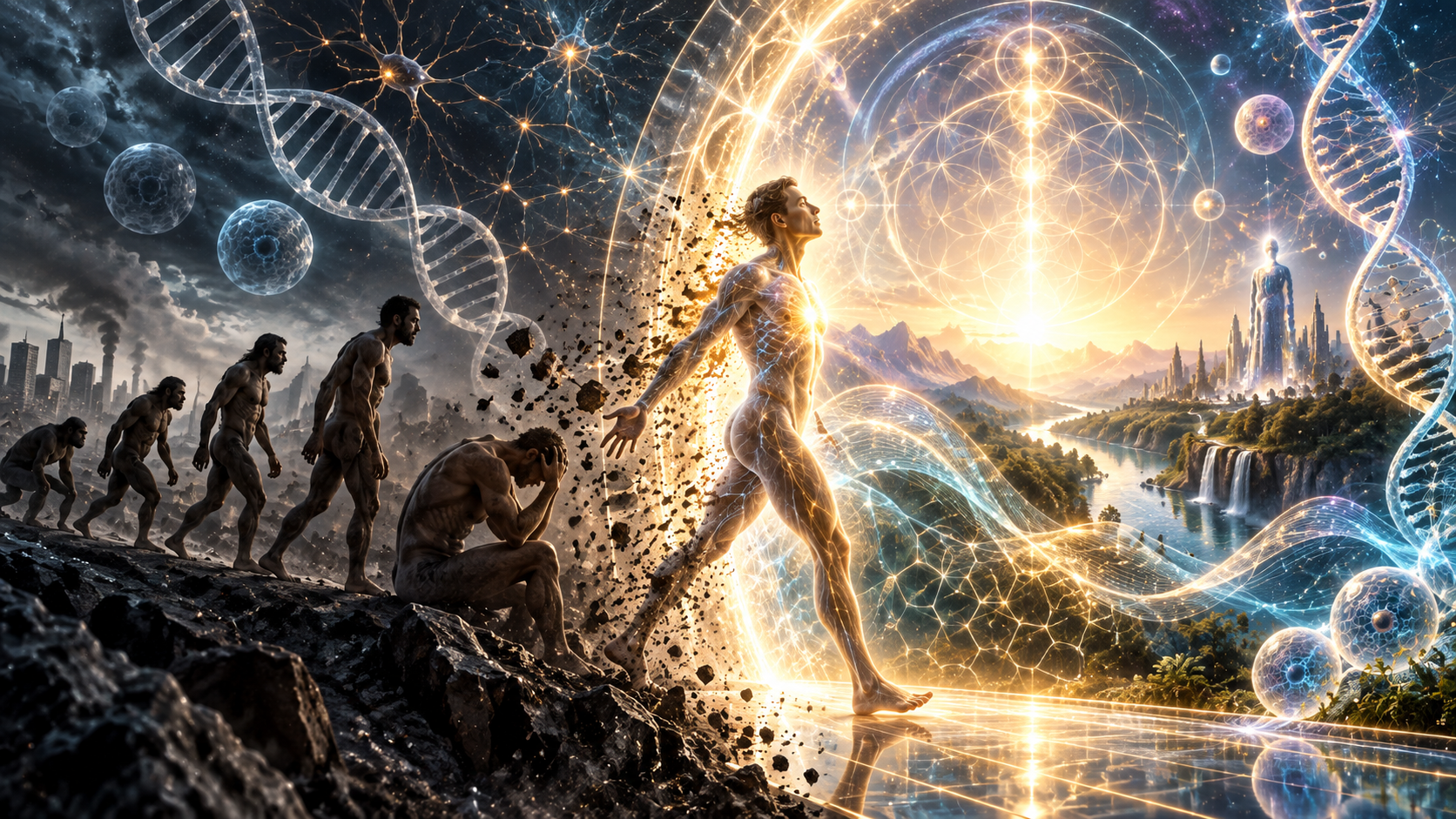
Biological Ascension Theory proposes that the body and consciousness may develop together. Drawing from adaptation, immune memory, viral evolution, phase transitions, and embodied cognition, it explores whether illness and other biological challenges can help prepare the body for higher states of consciousness.
The Body Language of the Subconscious
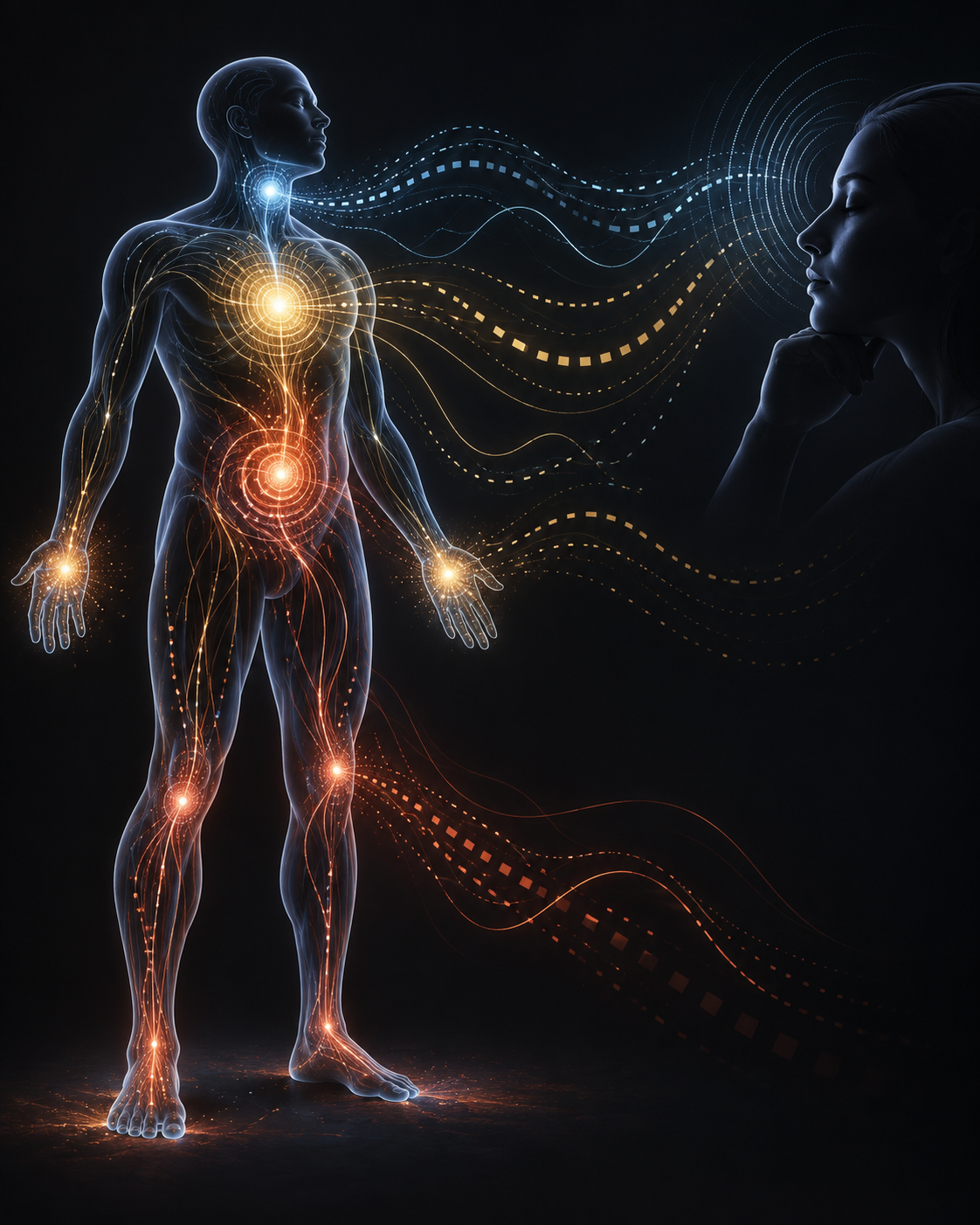
What if the body is not simply reacting to what we feel, but communicating what the conscious mind has not yet understood? The Body Language of the Subconscious explores how sensations, posture, movement, and recurring physical patterns may form a symbolic language through which the subconscious makes itself known.
Physical Form and the Transformation of Consciousness
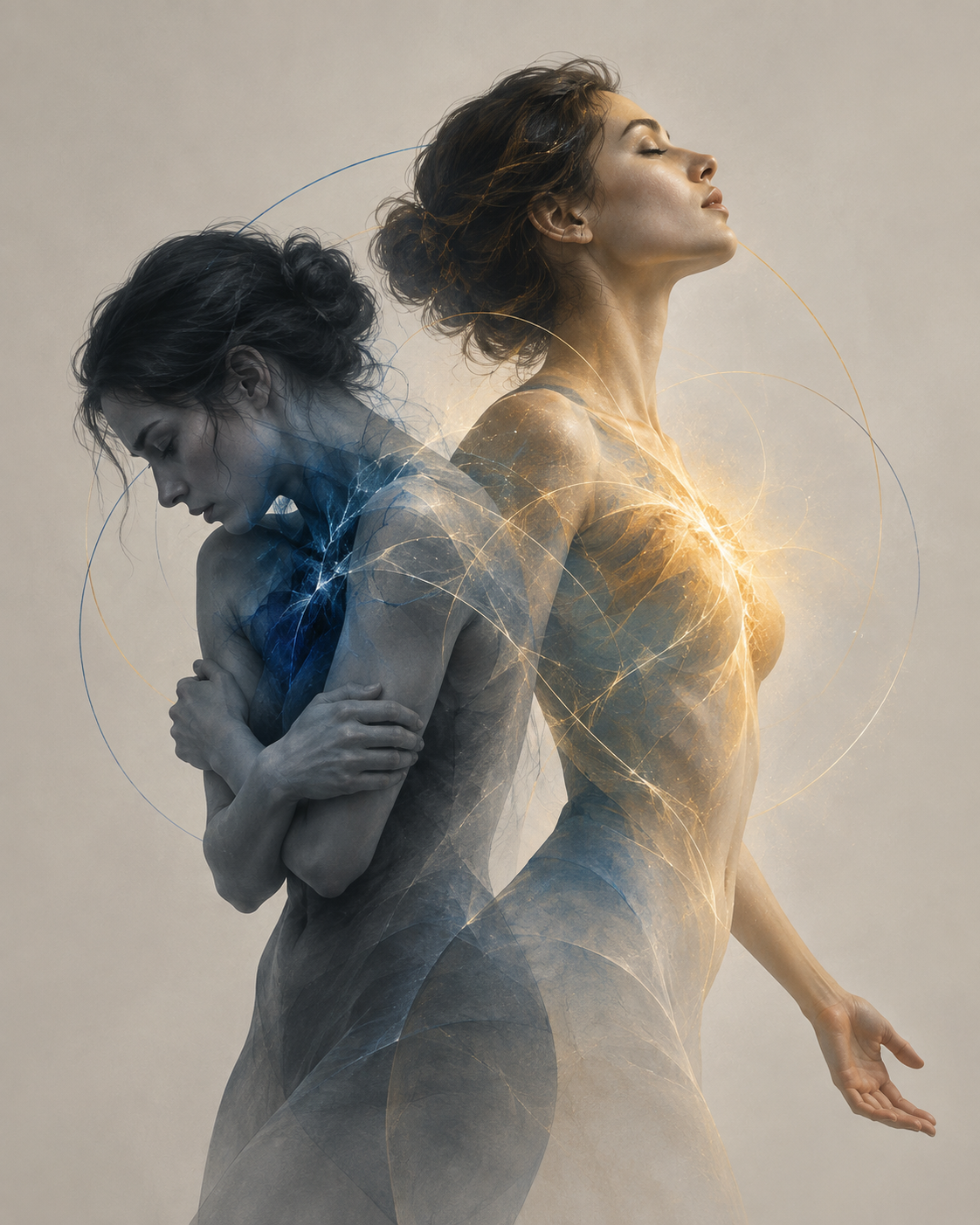
Physical Form and the Transformation of Consciousness explores a simple possibility: if our inner states naturally shape the way we hold our bodies, deliberately changing physical form may also help change what we feel inside. Drawing on research into posture, emotion, body language, yoga, and trauma, the theory proposes using intuitive and symbolic physical forms to test whether the body can become an active tool for transforming conscious experience.
Sound and the Transformation of Consciousness
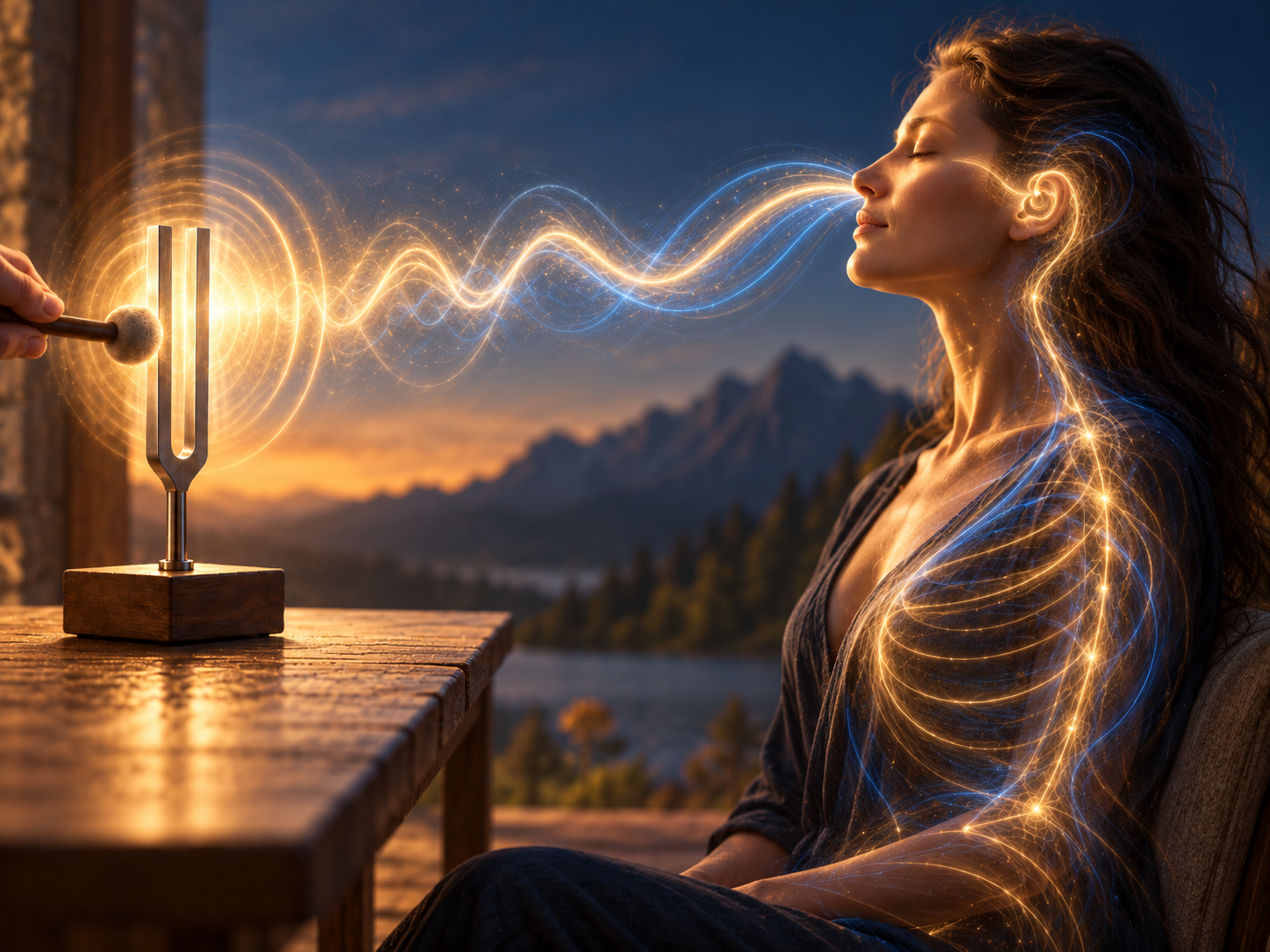
Sound does more than enter the ear. It can move matter, create geometric patterns, trigger resonance, alter emotion and physiology, and shape the meaning carried by a human voice. Sound and the Transformation of Consciousness follows these connections from tuning forks, Chladni plates, and acoustic levitation to music, spiritual practice, and the possibility that sound can help guide consciousness into different states.
Sacred Geometry Theory
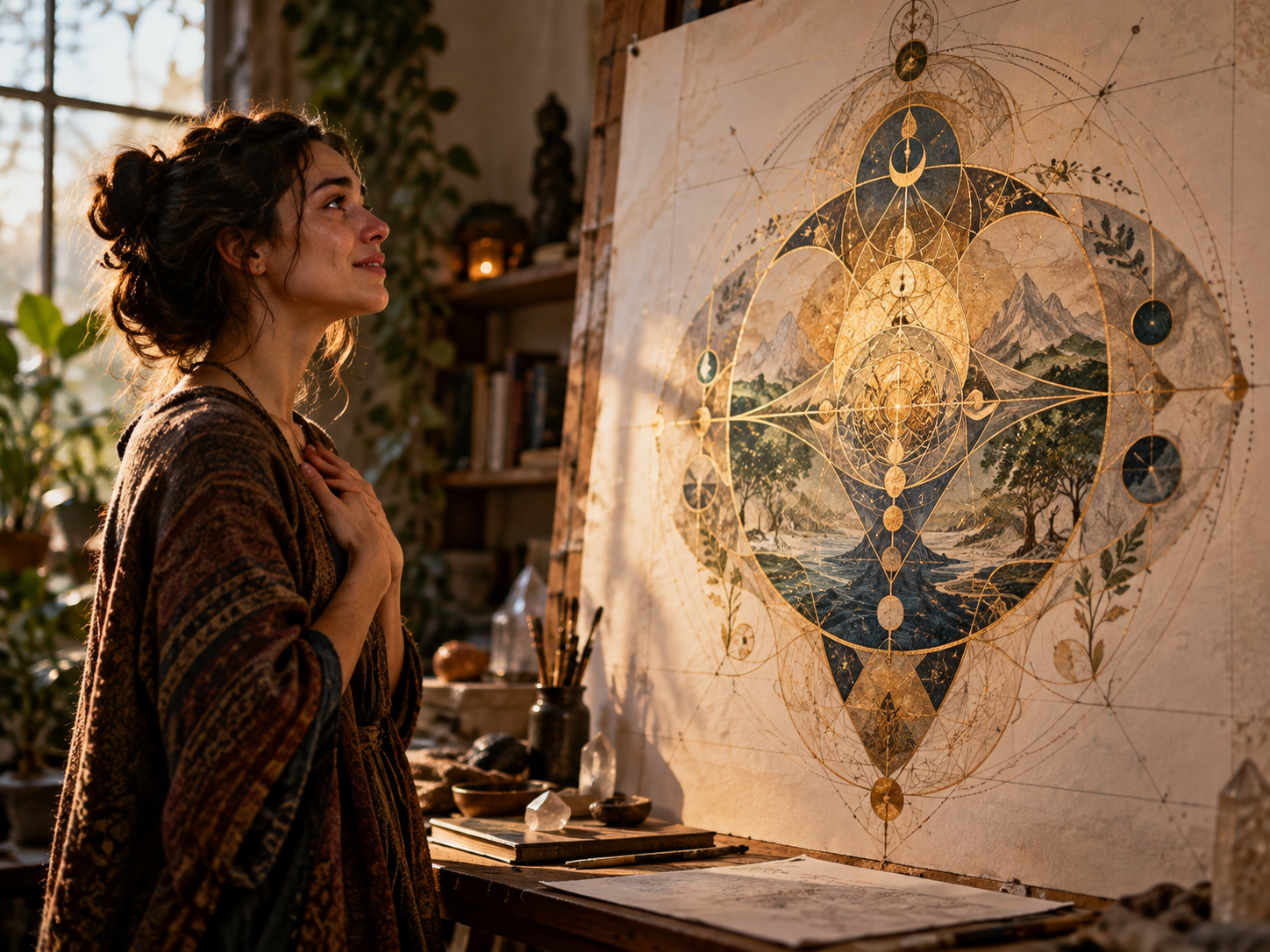
Sacred Geometry Theory explores how shapes, spatial arrangements, body positions, and personally meaningful designs can affect us biologically and emotionally. It proposes that when geometry gives physical form to a person’s inner truth, the resulting resonance catalyzes changes in consciousness, with the ultimate progression being the profound shift we call enlightenment.
Relational Resonance Theory

Why do some people instantly calm us while others intensify everything we feel? Relational Resonance Theory explores how biological rhythms, interpersonal synchrony, and wave interference may help explain attraction, compatibility, healing, twin flames, Divine Union, and the possibility that enlightenment is the process of tuning into our own frequency.
The Spiritual Purpose of Pets

What if the animals we naturally love symbolize our own paths of spiritual development? Exploring scientific research on attachment, compassion, and human-animal bonds, this theory proposes that cats represent love of self, while dogs symbolize unconditional love toward others. Through parallels with Hinduism, Buddhism, and Christianity, it explores how these two expressions of love may represent complementary paths toward enlightenment and the evolution of consciousness.
Catalytic Contact Theory

Catalytic Contact Theory explores how touch and intimacy change our biology, how attraction draws us toward certain people, and how our relationships can either support or suppress spiritual development and creative expression. Through neuroscience, sexual chemistry, and the biology of connection, it examines how who and what we connect with influences who we become.
The Architecture of Connection

Why do certain people feel extraordinarily significant before we understand why? The Architecture of Connection explores how the subconscious recognizes the developmental importance of particular relationships, communicating through emotion and bodily sensation. Drawing on research into intuition, emotional intelligence, and human connection, it proposes that the people who enter our lives are not merely companions on our spiritual journey—they are part of how we become who we are meant to be.
Living Truth Theory

Living Truth Theory explores how healing frees us from the fear of being ourselves. Drawing on psychology, cognitive dissonance, authentic expression, and spiritual traditions, it proposes that inner truth is discovered through living it, not merely understanding it. Enlightenment is the fullest realization of that freedom: the complete embodiment of who we truly are.
The Atemporal Language of Consciousness
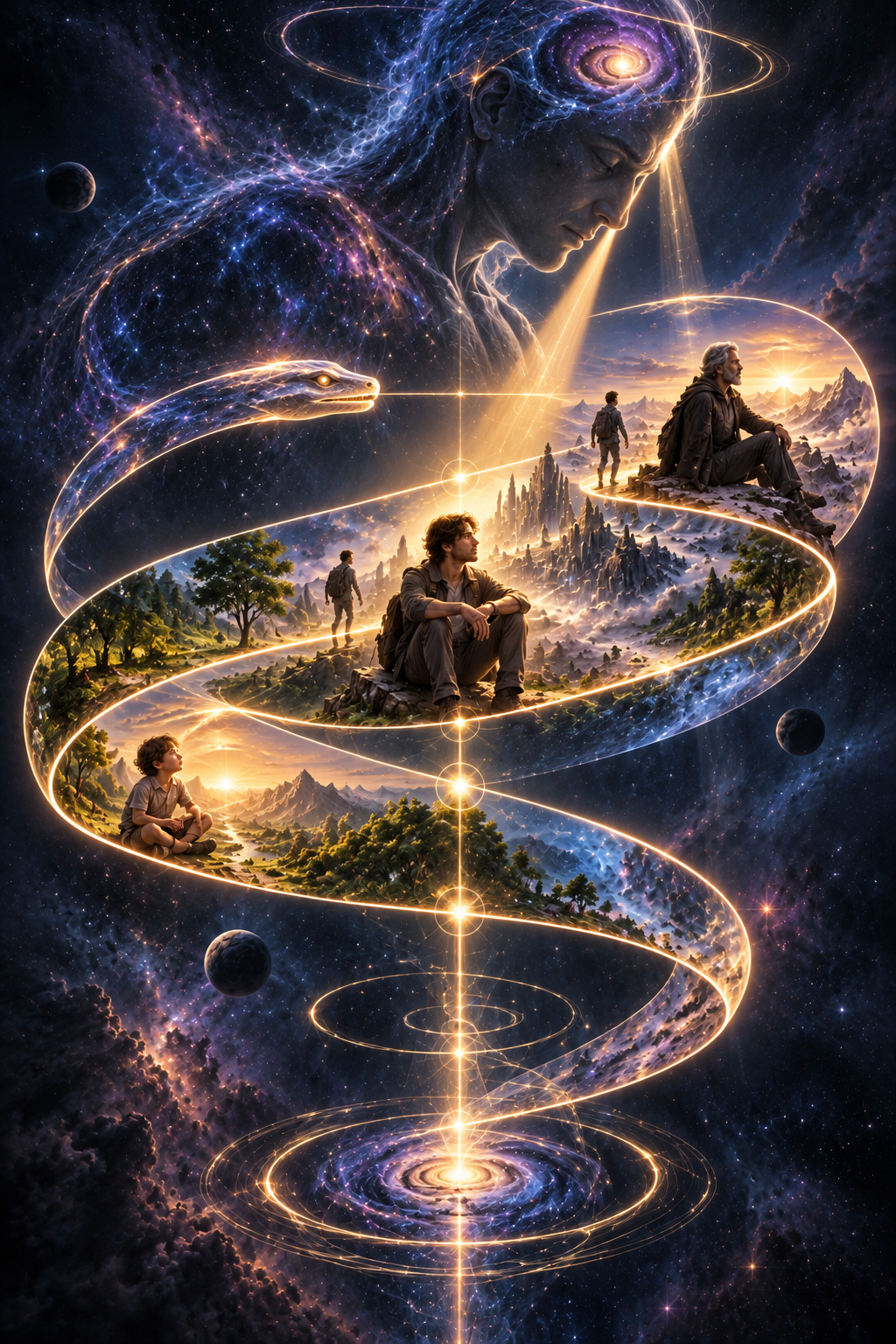
What if the different versions of ourselves are not as separate as time makes them appear? The Atemporal Language of Consciousness explores how a continuous self may learn across spacetime, using symbols to communicate between its developmental states. Through Jung's archetypes and the Ouroboros, it proposes a journey in which consciousness explores chosen lessons, teaches itself through experience, and evolves toward enlightenment.
The Healing Nature of Consciousness

You cannot consciously heal what you are not conscious of. The Healing Nature of Consciousness explores how awareness brings subconscious struggles into view, allowing us to experience and integrate what we once resisted. Drawing connections between neuroscience, somatic and energetic healing, self-trust, and spiritual development, the theory reveals how healing leads us toward a deeper truth: peace begins when we stop fighting what is.
The Tree of Life and the Sea of Consciousness
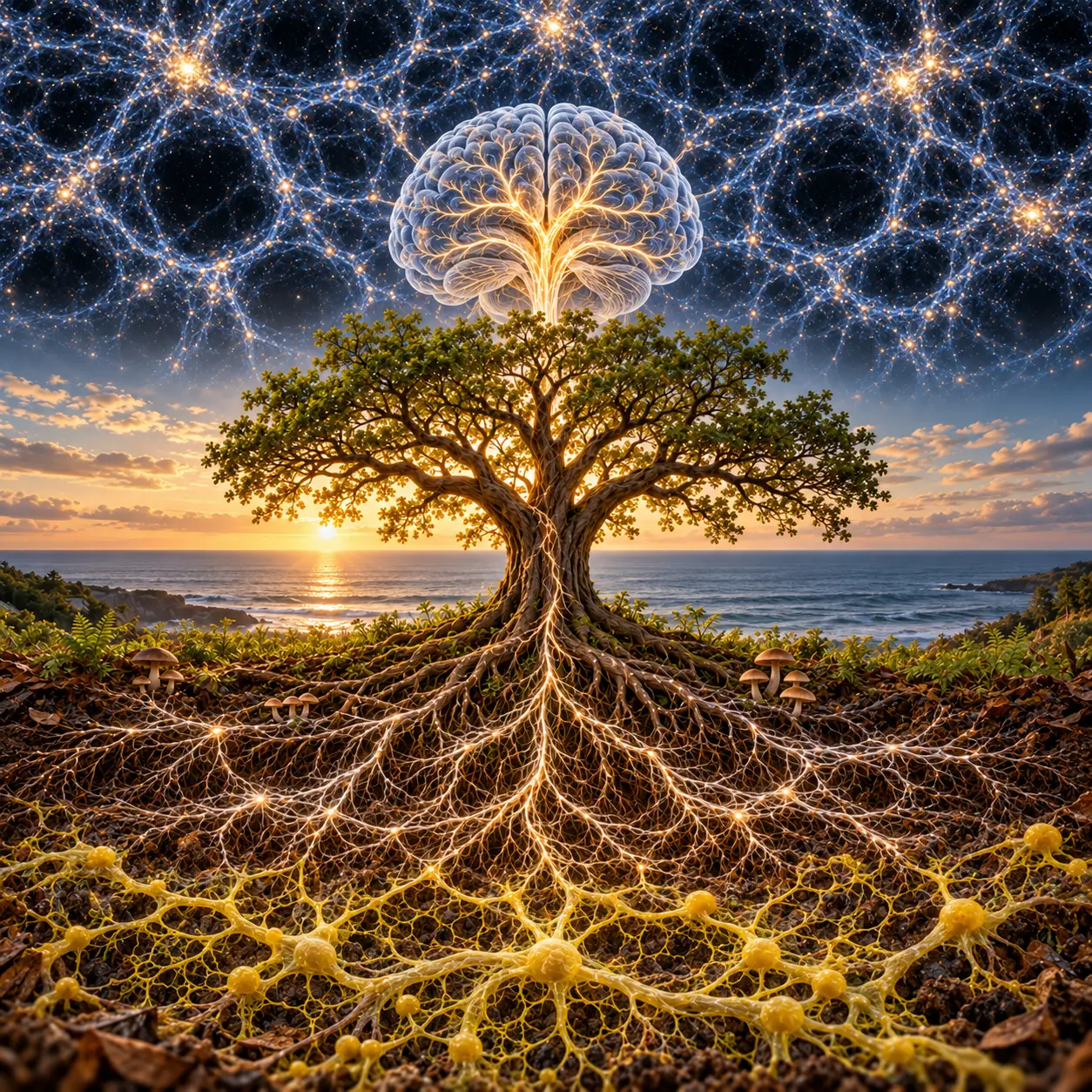
What if the branching patterns found in slime molds, forests, the human brain, and the cosmic web reveal something about the nature of consciousness? This theory explores an infinite sea of possibilities in which individual experiences become the branches of a larger Self. Through learning, love, and integration, consciousness discovers more of itself, eventually transforming into new, increasingly expansive states of consciousness.
The Ouroboros: The Divine Curriculum of Consciousness
Coming Soon
Spiritual theories are speculative frameworks offered for exploration. They are not treatments, and they are not a substitute for the tested methods in the Healing Library.