Back
AI Healing Tools
Copyable text for AI-assisted healing
AI Healing Tools
Artificial intelligence can hold a detailed framework in mind and apply it consistently to whatever a person describes. These tools supply that framework — a chart, a manual, or a set of instructions — as text a person copies into an AI assistant, giving the conversation a structured reference point instead of open-ended advice.
Each tool is self-guided. A person describes what they are experiencing or what they want to change, and the AI works from the supplied material to reflect it back in clearer language, surface patterns that are easy to miss from the inside, and suggest what to consider next. The person decides what fits; nothing is diagnosed, predicted, or prescribed.
Decoding The Messages Of The Body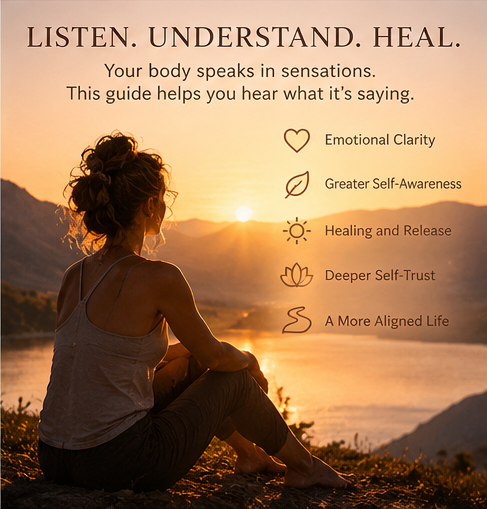 The body communicates constantly, not in words but through sensations such as tightness, pressure, heaviness, tingling, and warmth — a pit in the stomach when something feels wrong, tension in the shoulders under too much responsibility, a tight throat when expression is held back. These sensations can reflect emotions, beliefs, and personal truths not yet recognized consciously. This tool translates them into language. A person describes what they feel, and the AI uses a detailed body map — where each sensation is, which side, and what it feels like — to read the sensations together as one message and offer five to ten possible underlying truths. Rather than choosing the most logical statement, the person notices how the body responds to each one: a sensation that softens, moves, warms, or disappears marks resonance. Each round builds on those physical changes, following the body's message one layer at a time until the sensations ease or a meaningful understanding is reached.Open the ToolReshaping Patterns Through Physical Form
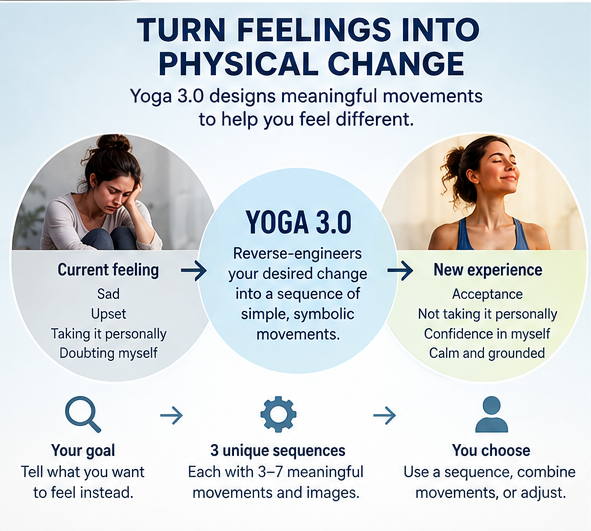 The body and emotions influence each other in both directions: feelings shape how the body is held and moved, and changing what the body does can change what is felt. People already express inner experience physically — reaching toward what they want, pulling away from what they fear, holding tightly to what they do not want to lose. Yoga 3.0 reverses that relationship. A person describes the emotional change they want, and the AI uses a symbolic map of the body and the geometry of movement to design three distinct sequences of three to seven movements that physically represent that change, each shown in realistic images with short captions on what every movement means. Each position is held with gentle breathing until the body relaxes before moving to the next. Instead of only thinking about a new way of feeling or responding, the person gives it physical form and experiences how it feels. No yoga experience or flexibility is needed.Open the ToolHealing Through Unconscious Psychological Symbolism
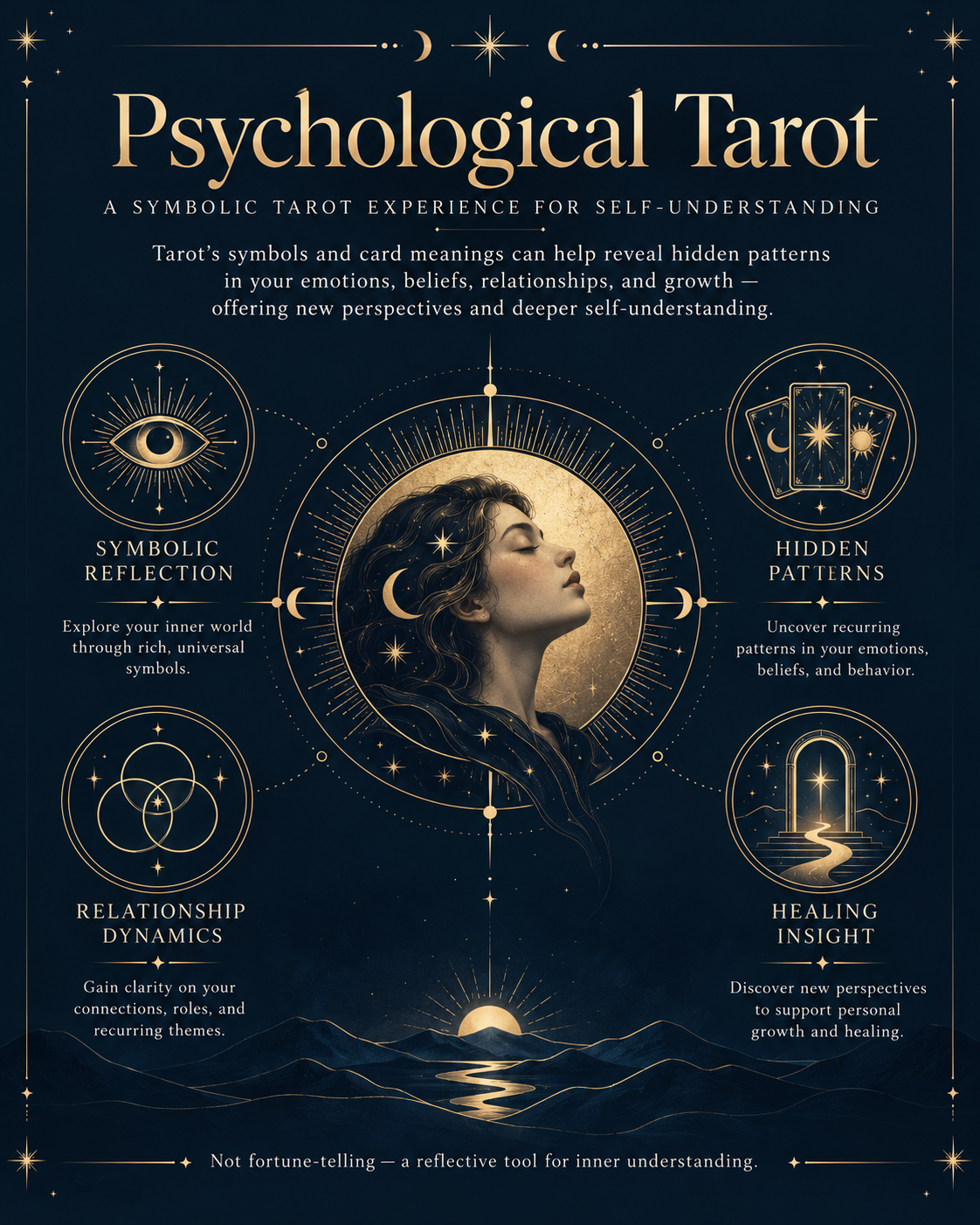 Symbols can reach what direct reflection cannot — what a person cannot yet name stays outside their awareness. This tool uses tarot as a reflective language for that material: the AI draws a spread and returns what it may point to in the person's own experience, surfacing hidden patterns, relationship dynamics, and unresolved feelings as questions worth sitting with. Nothing is predicted or diagnosed; the benefit is unconscious material gaining a form that can be examined and released.Open the Tool
The body communicates constantly, not in words but through sensations such as tightness, pressure, heaviness, tingling, and warmth — a pit in the stomach when something feels wrong, tension in the shoulders under too much responsibility, a tight throat when expression is held back. These sensations can reflect emotions, beliefs, and personal truths not yet recognized consciously. This tool translates them into language. A person describes what they feel, and the AI uses a detailed body map — where each sensation is, which side, and what it feels like — to read the sensations together as one message and offer five to ten possible underlying truths. Rather than choosing the most logical statement, the person notices how the body responds to each one: a sensation that softens, moves, warms, or disappears marks resonance. Each round builds on those physical changes, following the body's message one layer at a time until the sensations ease or a meaningful understanding is reached.Open the ToolReshaping Patterns Through Physical FormThe body and emotions influence each other in both directions: feelings shape how the body is held and moved, and changing what the body does can change what is felt. People already express inner experience physically — reaching toward what they want, pulling away from what they fear, holding tightly to what they do not want to lose. Yoga 3.0 reverses that relationship. A person describes the emotional change they want, and the AI uses a symbolic map of the body and the geometry of movement to design three distinct sequences of three to seven movements that physically represent that change, each shown in realistic images with short captions on what every movement means. Each position is held with gentle breathing until the body relaxes before moving to the next. Instead of only thinking about a new way of feeling or responding, the person gives it physical form and experiences how it feels. No yoga experience or flexibility is needed.Open the ToolHealing Through Unconscious Psychological SymbolismSymbols can reach what direct reflection cannot — what a person cannot yet name stays outside their awareness. This tool uses tarot as a reflective language for that material: the AI draws a spread and returns what it may point to in the person's own experience, surfacing hidden patterns, relationship dynamics, and unresolved feelings as questions worth sitting with. Nothing is predicted or diagnosed; the benefit is unconscious material gaining a form that can be examined and released.Open the Tool