
Philosophy Book Summaries
6 summaries available
Philosophy Book Summaries
Examining fundamental questions about existence, knowledge, and ethics.
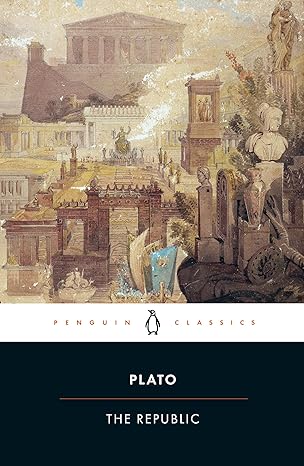
The Republic
by Plato
Plato examines justice and the ideal state, exploring virtue, the structure of good government, and the education of philosopher rulers.
Critique of Pure Reason
by Immanuel Kant
Kant bridges rationalism and empiricism by examining what reason can and cannot know. He argues that human experience is shaped by the structures of the mind itself.
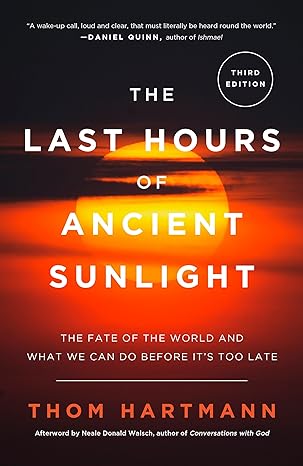
The Last Hours of Ancient Sunlight: The Fate of the World and What We Can Do Before It's Too Late
by Thom Hartmann
Hartmann examines how a culture built on depleting fossil fuels and natural resources has put billions of lives at risk. He calls for a shift in worldview toward living in balance with the earth.
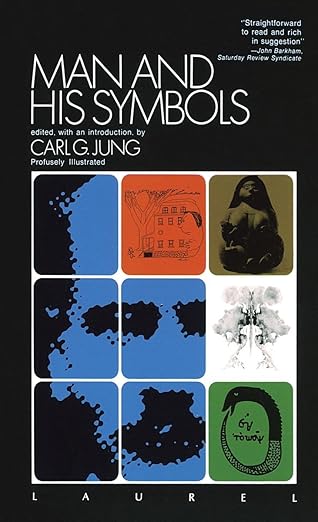
Man and His Symbols
by Carl G. Jung
Jung and his collaborators introduce the collective unconscious, archetypes, and the language of symbols. The book shows how myths, dreams, and the hero's journey reflect the inner development of the psyche.
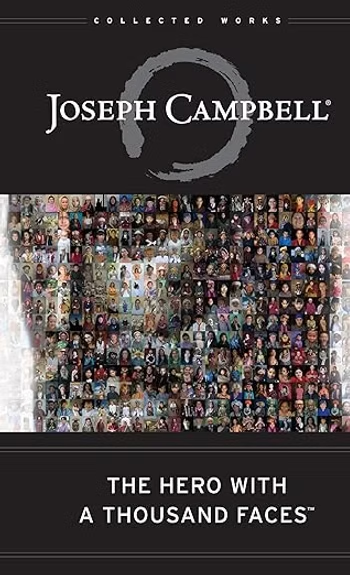
The Hero with a Thousand Faces
by Joseph Campbell
Campbell identifies the hero's journey as the shared structure of myths across cultures. He argues that mythology is a map of psychology and explains what each stage of the journey represents.
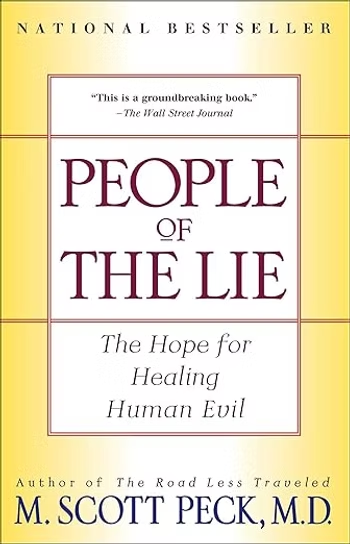
People of the Lie
by M. Scott Peck
Peck offers a psychological definition of evil and examines what produces it. He explores how narcissism, laziness, and the refusal to face one's own wrongdoing form the roots of destructive behavior.