
Psychology
17 summaries available
Understanding the mind, emotions, and human behavior.
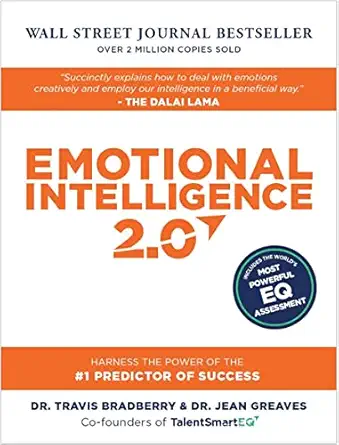
Emotional Intelligence 2.0
by Dr. Travis Bradberry & Dr. Jean Greaves
A comprehensive look at the four pillars of emotional intelligence: self-awareness, self-management, social awareness, and relationship management.
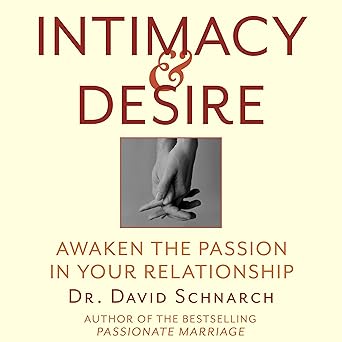
Intimacy and Desire
by David Schnarch
Probably the best book I've ever read. Don't be turned off by the title, it's not just for couples (although it's great for couples), it describes a way of living that is foundational to healing.
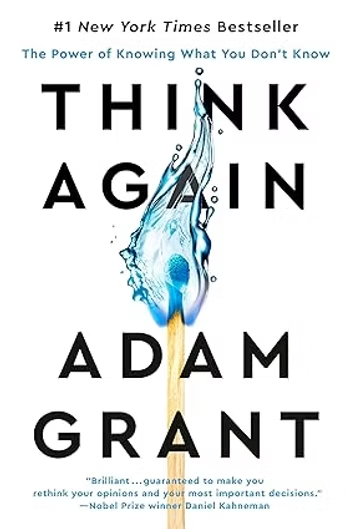
Think Again
by Adam Grant
A book about the power of knowing what you don't know. Learn to embrace rethinking and unlearning as essential skills for personal growth and success.
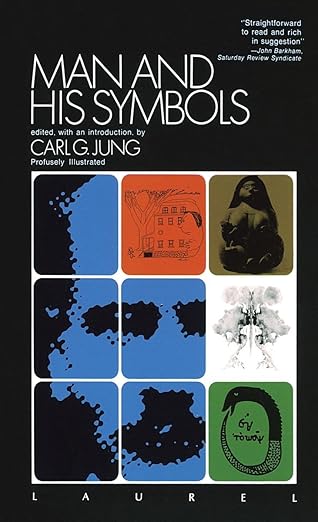
Man and His Symbols
by Carl G. Jung
A deep dive into Carl Jung's collective unconscious, archetypes, and personality types. Explores the symbolic meanings in mythology and the hero's journey as representations of human consciousness development.
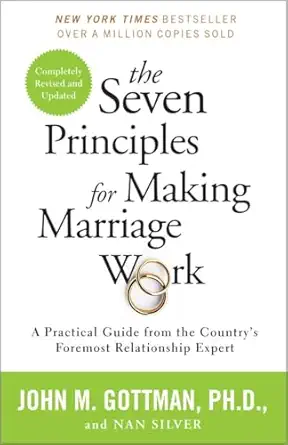
The Seven Principles for Making Marriage Work
by John M. Gottman and Nan Silver
A research-based guide to building a lasting marriage. Learn the six factors that predict divorce and the seven principles that can help couples build a strong, healthy relationship.
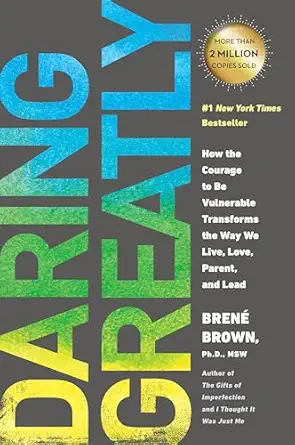
Daring Greatly
by Brene Brown
Brene Brown takes the concept of vulnerability and shows you how it's essential if you desire to be happy. Learn about the myths of vulnerability, shame resilience, and how to overcome cultural disengagement.
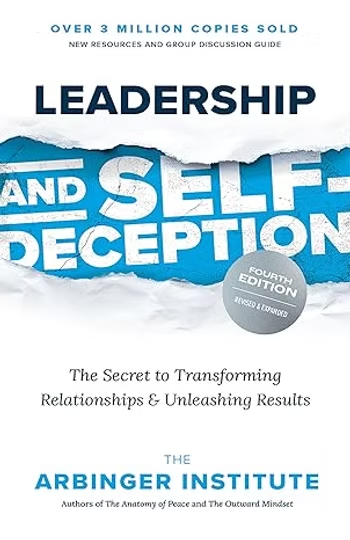
Leadership and Self-Deception
by The Arbinger Institute
A powerful exploration of how self-deception keeps us 'in the box' - seeing others as objects rather than people. Learn the steps of self-betrayal and how to break free from cycles of blame and justification.
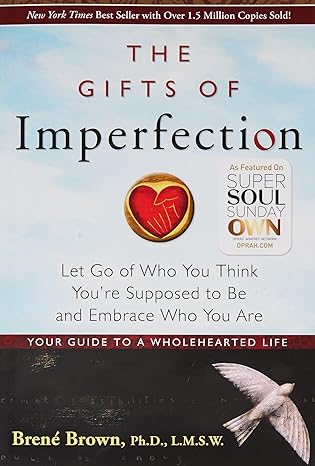
The Gifts of Imperfection
by Brene Brown
Learn how to accept oneself in order to live a whole-hearted life of courageous authenticity. Brene Brown explores the difference between fitting in and belonging, and provides ten steps to overcome shame.

The Hero with a Thousand Faces
by Joseph Campbell
An exploration of the hero's journey, the most common story arc throughout history. Campbell argues that mythology is psychology and elaborates on what each stage of myth represents psychologically.
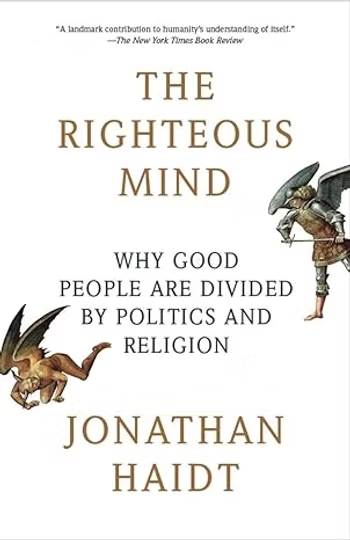
The Righteous Mind
by Jonathan Haidt
A deep exploration of how people determine morality. The author argues that intuition comes first and reasoning follows, using the metaphor of an elephant (intuition) and rider (reasoning) to explain our moral psychology.
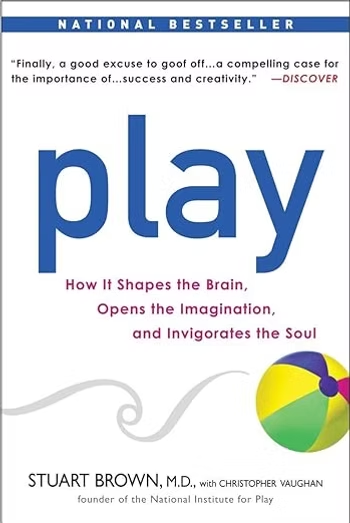
Play
by Stuart Brown
The book goes over the impact of play on the brain and general functioning and makes a compelling argument for why we should all incorporate more play into our lives.
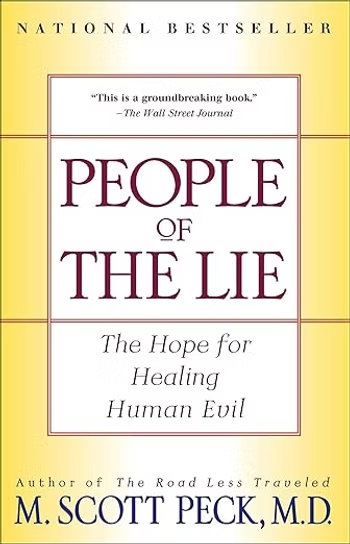
People of the Lie
by M. Scott Peck
In this book the author writes about his definition of evil and what creates it. The author explores how narcissism, laziness, and the refusal to acknowledge our own sins form the foundation of evil.
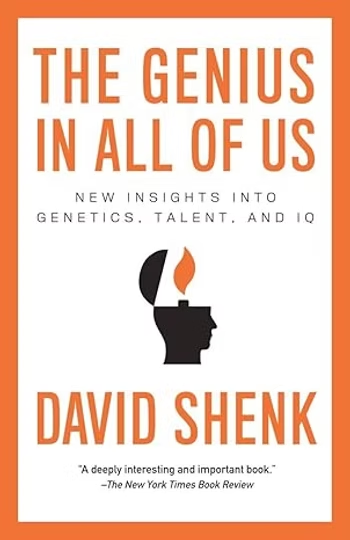
The Genius in All of Us
by David Shenk
A research-driven exploration of how genius is developed through gene-environment interaction, deliberate practice, and a transformed relationship with failure.
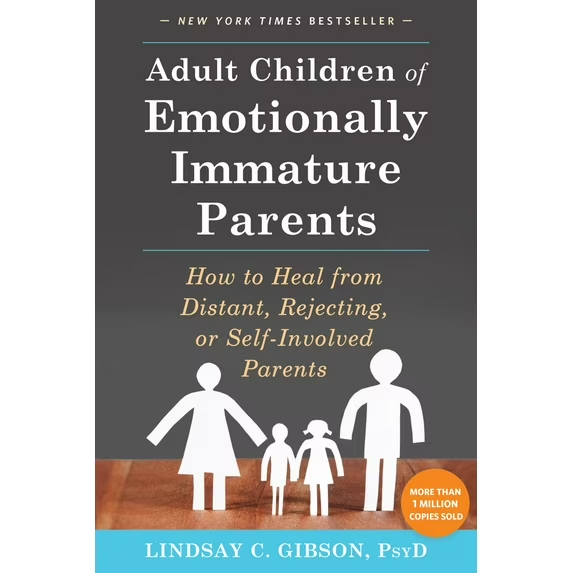
Adult Children of Emotionally Immature Parents
by Lindsay C. Gibson
The book talks about how to spot emotionally immature parents but I believe its real value is helping you identify your own emotional immaturity by providing concrete identifiers.
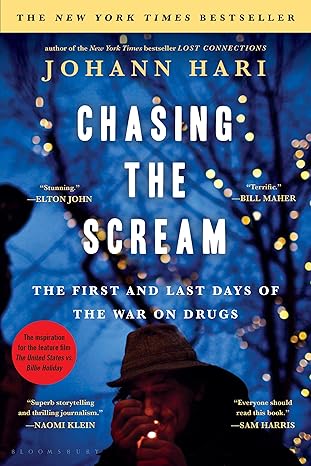
Chasing the Scream
by Johann Hari
The book talks discusses how the war on drugs began, how we misunderstand addiction, and how countries that have ended their war on drugs have been impacted. We have a lot of misconceptions about drug use. A LOT.
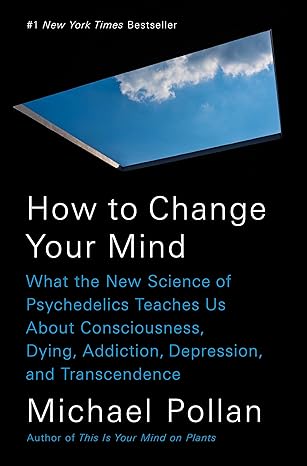
How to Change Your Mind
by Michael Pollan
The book covers three areas: the history of psychedelics since the development of LSD, the impact of psychedelics (both scientific studies and a lot of anecdotal stories), and the neuroscience behind how psychedelics impact the brain.
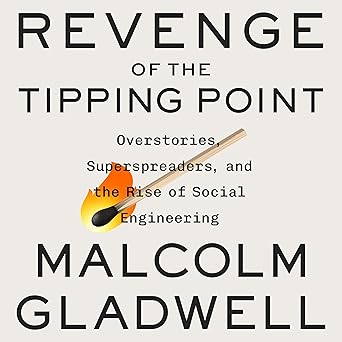
Revenge of the Tipping Point
by Malcolm Gladwell
A captivating exploration of what creates cultural tipping points - from the magic 25-33% threshold to superspreaders and the power of stories in shaping social movements.